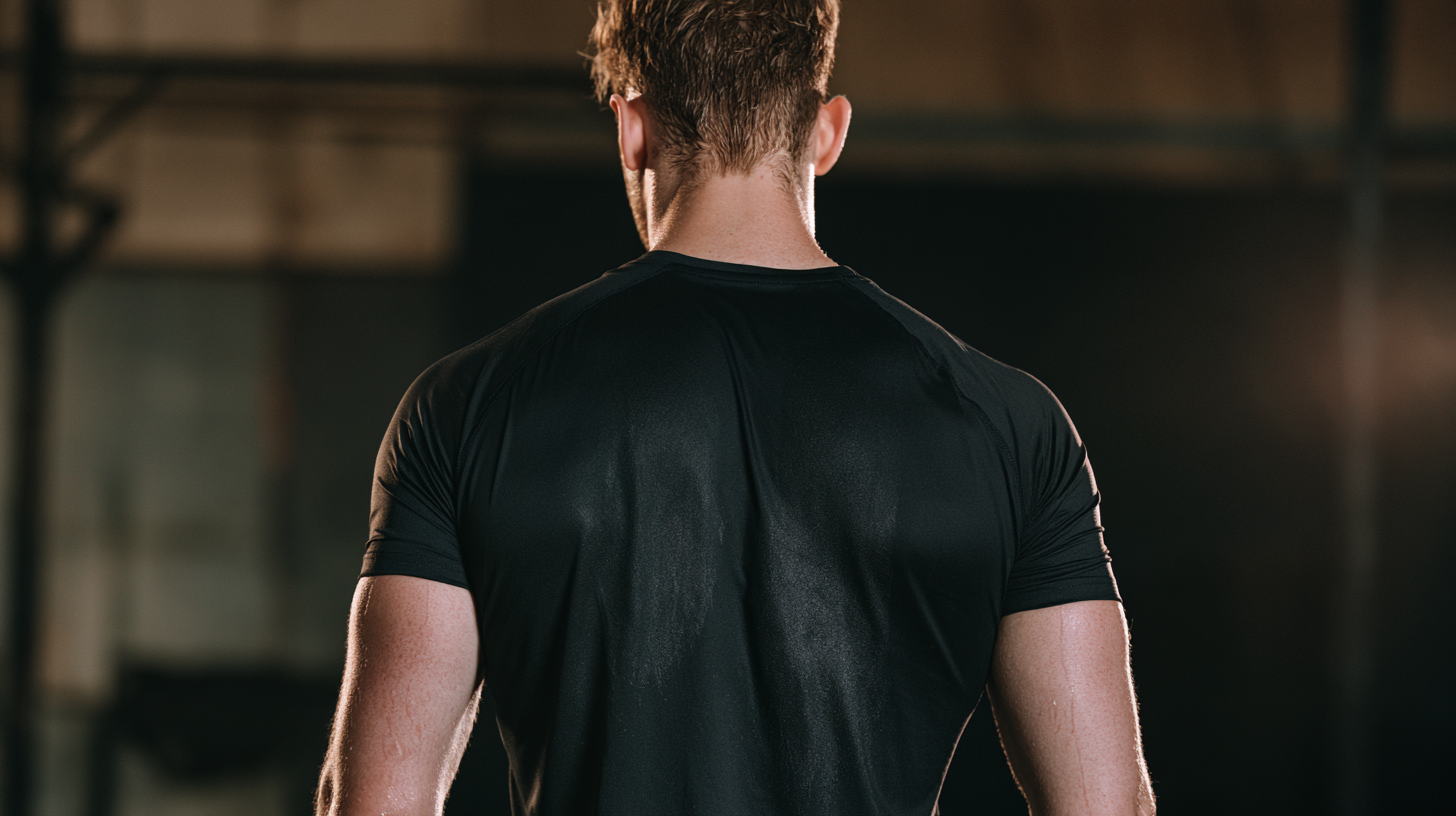
You're Working Out in a Water Bottle
Introduction:
Walk into any gym and look around: the vast majority of what people are wearing is plastic. Polyester, nylon, and spandex dominate the activewear market, marketed as high-performance, moisture-wicking, and technical. What almost no one mentions is that these fabrics are petroleum products - and you're pressing them against your skin during the exact moments your body is most open to what it touches.
The comparison isn't an exaggeration. The polyester in your gym shirt and the plastic in a disposable water bottle are the same base material. Here's what that actually means for your body.
Same Plastic, Different Shape
Polyester is made from polyethylene terephthalate - PET. It's the identical plastic used to manufacture single-use water bottles and food packaging. The difference is only in form: one is spun into thin fibers and woven into fabric, the other is molded into a bottle.
So when activewear is described as "technical" or "performance" fabric, what's underneath the language is petroleum-based plastic, produced through an industrial chemical process and then dyed and finished with additional synthetic compounds.
It Doesn't Breathe - It Traps
Plastic is not a breathable material. Synthetic activewear manages moisture by pushing it across the fabric surface, but it doesn't let your skin truly breathe the way natural fibers do. Instead, it traps heat, sweat, and the bacteria that thrive in that environment.
This is why synthetic gym clothes develop a persistent odor that washing never fully removes - the bacteria embed in the plastic fibers. That smell is the visible symptom of a fabric holding everything against your skin rather than releasing it.
It Sheds Into You
Every time you move, stretch, and sweat, synthetic fabric breaks down at the fiber level, releasing microplastic particles. During a workout, this happens against skin that is warm, damp, and has open pores - conditions that maximize contact and absorption.
You're also breathing in the fibers that become airborne. So the garment you chose to support your health is quietly shedding plastic onto and around you for the entire session.
The Irony of Training in Plastic
The purpose of working out is to become healthier - stronger, fitter, more resilient. But the plastic you train in works in the opposite direction the whole time: heating your body, trapping bacteria, and shedding petroleum-based microfibers onto your skin at your most absorptive.
It's a hidden contradiction at the center of a health habit, and it's built into a product category that rarely gets questioned.
The Fix: Natural Performance Fibers
Performance doesn't require plastic. Natural fibers handle training remarkably well. Organic cotton is breathable and soft against the skin. Merino wool is exceptional for activewear - it regulates temperature, wicks moisture, and resists odor naturally, without any synthetic treatment.
These fibers breathe instead of trap, resist bacteria instead of harboring it, and shed nothing into your body. The trade-off people assume they're making - comfort and health for performance - largely disappears with the right natural materials.
Conclusion:
The next time you get dressed to train, check the tag. If it reads polyester, nylon, or spandex, you're working out in the same material as a disposable water bottle - and wearing it during the hours your body is most vulnerable to what sits against it.
Choosing natural fibers for the clothes you sweat in is one of the simplest, highest-impact swaps you can make. The effort you put into your health deserves clothing that works with your body, not against it.