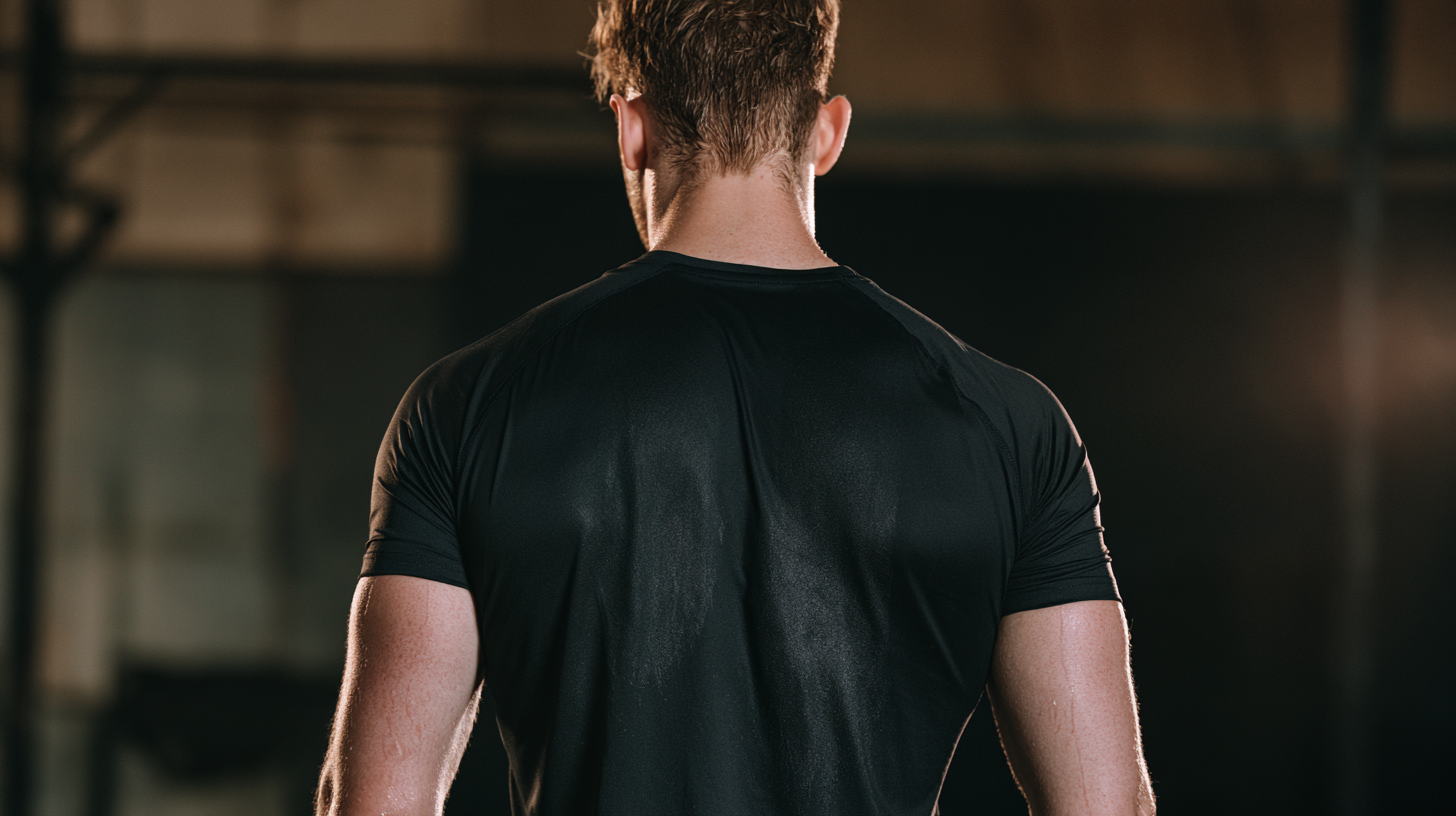
What Polyester Actually Does to Your Skin All Day
Introduction:
Most people never think about what their clothes are made of - only how they look and feel in the first few minutes of wearing them. But the fabric against your skin is there for the entire day, in direct and constant contact with your largest organ. And for the majority of modern clothing, that fabric is polyester: plastic, worn against your body from morning to night.
Understanding what polyester is, and what it does over the course of a day, changes how you look at your wardrobe. Here's what's actually happening.
It's Plastic
Polyester is made from polyethylene terephthalate - the same petroleum-based plastic used to produce disposable water bottles. It isn't a natural material treated to feel soft; it's plastic spun into fine threads and woven into fabric.
That means for every hour you wear a polyester garment, plastic is what's resting against your skin - across your chest, your back, under your arms, everywhere the fabric touches.
It Traps Heat and Sweat
Plastic doesn't breathe. Unlike natural fibers, which allow air and moisture to move through them, polyester holds heat and traps sweat against your skin.
This creates a warm, damp micro-environment all day long - the exact conditions that lead to irritation, clogged pores, breakouts, and body odor. Many people who assume they simply have "sensitive skin" are in fact reacting to the synthetic fabric they wear against it.
It Sheds Microfibers Onto You
As you move throughout the day, polyester constantly sheds tiny plastic microfibers. Your skin - warm, sometimes sweaty, and occasionally broken or irritated - is in continuous contact with these particles.
This is a low-level, all-day exposure that most people have no idea is happening. The garment isn't static; it's slowly breaking down against your body.
It Carries Chemicals
Polyester isn't just plastic - it's plastic that has been dyed, softened, and treated with finishing chemicals during manufacturing. These can include compounds used for wrinkle resistance, color fastness, and texture.
Because these chemicals sit on the fabric surface, they're in direct contact with your skin and can transfer to it, particularly when you sweat and your pores are open. You absorb a portion of what you wear.
The Fix: Natural Fibers
The alternative is straightforward. Natural fibers - organic cotton, linen, and wool - breathe, allowing heat and moisture to escape rather than trapping them against your skin. They don't shed plastic microfibers, and organic versions are grown and processed without the synthetic chemical load.
The result is skin that stays cooler, drier, and clearer, and a garment that adds nothing to your body over the hours you wear it.
Conclusion:
You wear clothing against your skin every hour of every day - it's the most constant material contact your body has with anything. That makes what your clothes are made of far more important than most people realize.
Polyester means plastic on your skin all day: trapping heat, shedding fibers, and carrying chemicals. Choosing natural fibers removes that daily exposure entirely. Start by checking the tags on the clothes you wear most, and replace those first.