The 5 Swaps That Remove the Most Microplastics From Your Day
Introduction:
Most people who want to reduce their exposure to microplastics run into the same wall: there's so much conflicting advice that they either do nothing, or pour energy into changes that barely matter. The truth is that not all swaps are equal. A handful account for the majority of your daily exposure, and the rest are details.
This is the short list - five swaps, in order of impact. Do these first, and you remove most of the plastic touching your body and entering your food every day. Start with one, and work down.
1. Your Water
Start with what you drink, because you consume it directly and use it in nearly everything else. Microplastics have been found in tap water in every country tested, and standard municipal treatment wasn't designed to filter them out.
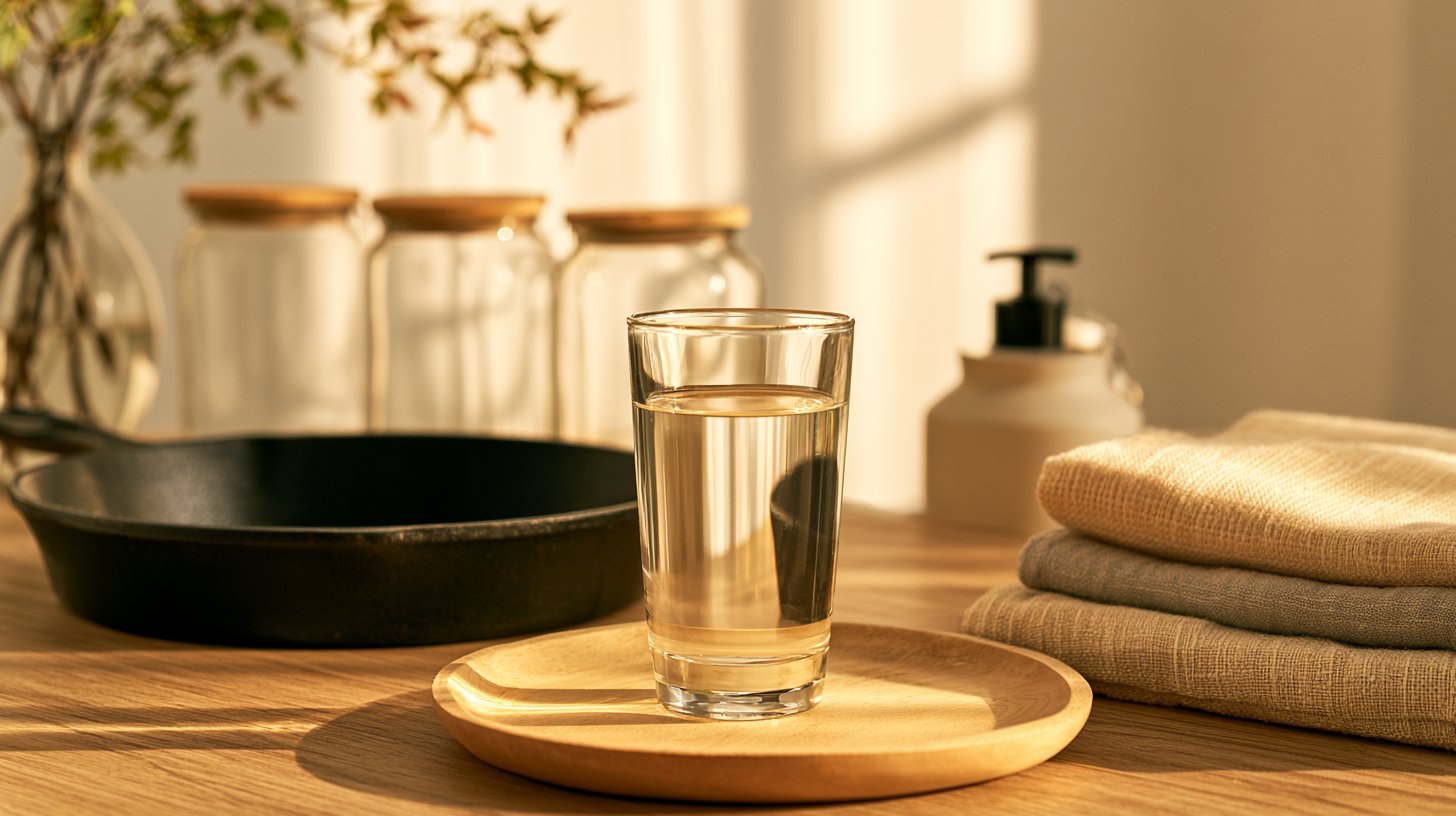
A reverse osmosis filtration system is currently the most effective residential option, removing up to 99% of microplastic particles. Once your water is filtered, store it in glass rather than plastic to avoid reintroducing what you just removed.
2. Your Cookware
Nonstick pans degrade with heat and use, shedding particles and synthetic coatings directly into your food. Because this happens at high temperatures, it's one of the more direct routes of exposure in the kitchen.
Switch to stainless steel or cast iron. Both last for decades, tolerate high heat without breaking down, and add nothing to what you're cooking. It's a one-time purchase that removes a daily source.
3. Your Food Storage
Plastic food containers leach into whatever they hold - and that transfer accelerates with heat, whether from hot food going in or microwaving. Over time, that's a significant, repeated exposure.
Move to glass storage containers. They don't leach, they last, and it's a swap you'll benefit from at nearly every meal. Glass jars work just as well for pantry staples and bulk goods.
4. Your Bedding
You spend roughly a third of your life in bed. Synthetic sheets and sleepwear made from polyester and microfiber shed plastic fibers against your skin, and into the air you breathe, for eight hours a night.
Switch to organic cotton or linen bedding and sleepwear. Because the contact is so prolonged and so close, this is one of the highest-impact changes outside the kitchen.
5. What You Wear
Most modern clothing is plastic - polyester, nylon, acrylic, and spandex - and it sheds microfibers onto your skin throughout the day, as well as into the water every time it's washed.
You don't have to replace everything at once. Prioritize natural fibers where fabric contacts your skin most: base layers, underwear, and the pieces you wear daily. Build from there over time.
Conclusion:
Reducing your microplastic exposure isn't about overhauling your entire life overnight. It's about knowing which changes actually matter and starting with those.
Water, cookware, food storage, bedding, and clothing - these five cover the majority of your daily exposure. Pick the one that's easiest for you right now, make the swap, and move down the list from there. Progress compounds.