Your Takeout Order Is Full of Microplastics.
Introduction:
Takeout feels like a break from cooking. What it's actually delivering - alongside the food - is one of the highest single-meal microplastic exposures in a typical week.
The container is plastic. The lid is plastic. The sauce containers are plastic. The bag is plastic-lined. And heat - the defining feature of hot takeout food - is the primary accelerant of plastic leaching into food.
Here's what's actually happening from the moment your order is packed to the moment you eat it.
The Container
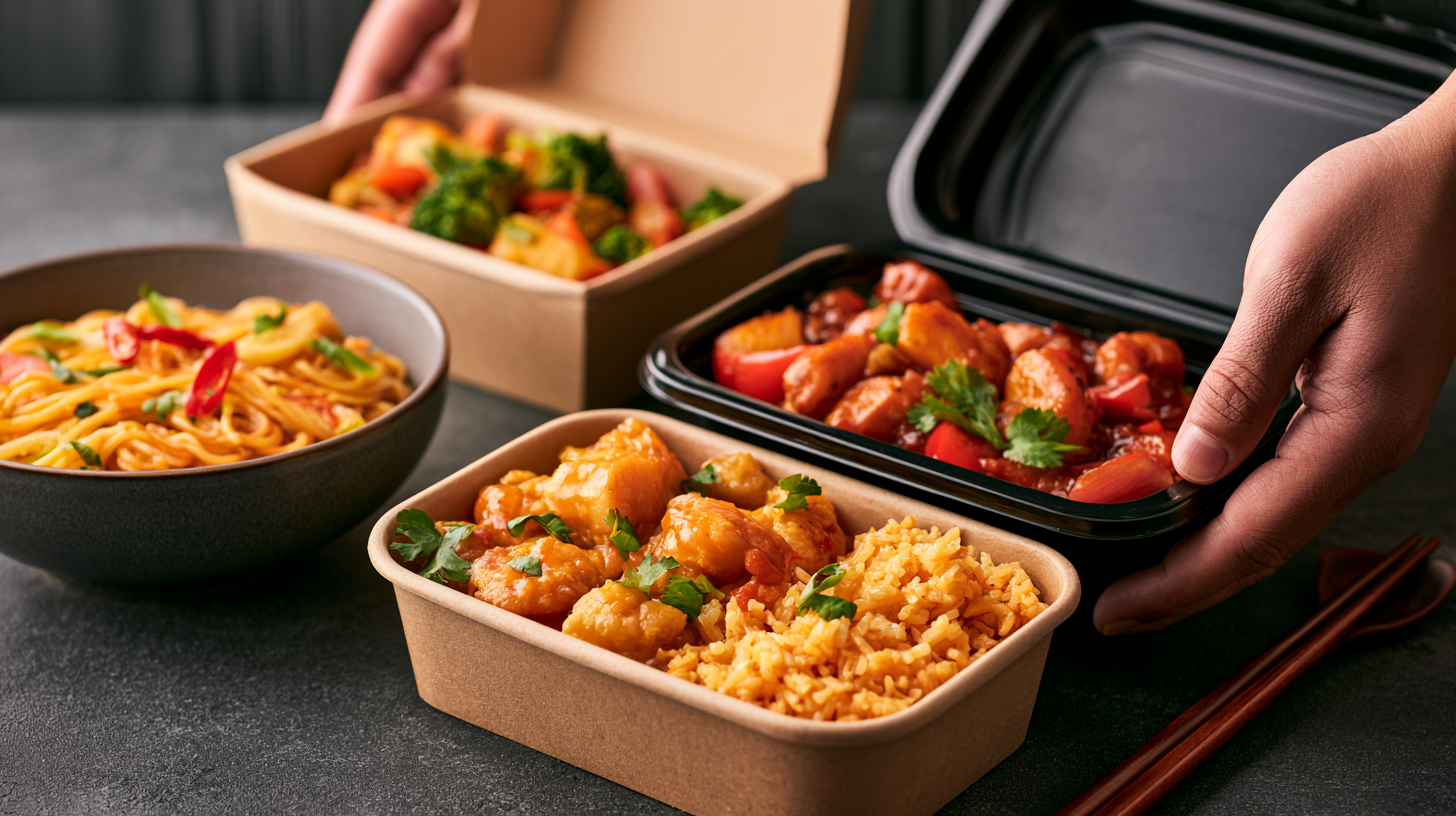
Most takeout containers are made from polystyrene or polypropylene - two of the most common single-use plastics in the food service industry. Both are relatively stable at room temperature. Neither is stable at the temperature of hot food.
When hot food is placed directly into a plastic container, the heat drives plastic chemical migration into the food at significantly accelerated rates compared to room temperature contact. The longer hot food sits in a plastic container - during transit, during delivery, while you decide what to eat first - the more plastic has transferred into the meal.
Polystyrene containers are among the worst offenders. Styrene - the monomer that makes up polystyrene - is classified as a possible human carcinogen by the WHO and has been detected leaching from polystyrene food containers into food at measurable levels. Many cities have banned polystyrene takeout containers. Many restaurants still use them.
The Lid
Plastic lids on hot drinks, soups, and sauced dishes are a concentrated exposure point that most people never think about.
Steam rising from hot food or liquid condenses on the underside of a plastic lid and drips back into the food below - carrying whatever it picked up from the plastic surface with it. For hot drinks specifically, every sip through a plastic lid pulls liquid that has been in prolonged contact with hot plastic directly into your mouth.
The thinner the plastic and the higher the temperature, the more significant the transfer. Disposable plastic lids on coffee cups and soup containers are some of the most chemically active plastic contact points in the takeout ecosystem.
Paper Isn't Paper
This catches almost everyone off guard. Paper takeout bags and cups are not paper. They are paper lined with polyethylene plastic - a thin coating applied to the interior to prevent leaking and grease seepage.
Hot food sitting in a paper bag is in direct contact with polyethylene plastic for the duration of transit. Paper coffee cups are lined with the same material. The cup looks and feels like paper. The interior surface your hot liquid is touching is plastic.
Some restaurants have switched to unlined paper or plant-based lining alternatives. Most haven't. Unless the bag or cup specifically states it is unlined or uses a plant-based alternative, assume it has a plastic interior coating.
Sauce Containers
Small plastic sauce containers are among the lowest quality plastic in the takeout packaging ecosystem - thin walls, minimal material, often made from the cheapest available plastic compound.
The contents are almost universally acidic - ketchup, hot sauce, vinegar-based dressings, soy sauce. Acidity is the second most significant accelerant of plastic leaching after heat. An acidic sauce in a thin plastic container that has been sitting since it was packed is one of the highest concentration leaching scenarios available in everyday food consumption.
The Microwave Problem
The single worst thing most people do with takeout is reheat it in the container it came in.
Microwaving in plastic combines high heat, prolonged contact, and often direct microwave energy acting on the plastic itself. Studies have found that microwaving food in plastic containers produces plastic particle concentrations in food orders of magnitude higher than room temperature storage in the same container.
Even containers labeled "microwave safe" are not free from leaching - that designation means the container won't melt or deform, not that it won't transfer chemicals into your food.
What To Do
Eliminating takeout isn't the answer - the goal is reducing exposure within the reality of how most people live.
Transfer food to glass or ceramic immediately when you get home. This single habit eliminates the ongoing leaching that happens during the time between pickup and eating. Never reheat in the container it came in - always transfer to a ceramic or glass dish first.
For hot drinks, bring your own cup. A glass or stainless steel travel cup used at a coffee shop eliminates the lid and lining exposure entirely.
Choose restaurants that use glass, metal, or genuinely unlined packaging where available. In most cities these options are still limited - but they're growing, and choosing them signals demand.
And for the inevitable moments when none of this is practical - transfer, don't reheat in plastic, and don't let it be every meal. Reduction is cumulative. Every swap compounds.