Why Plastic-Free is the New Organic
Introduction:
Thirty years ago, organic food was a fringe movement. Health food stores, farmers markets, people who were dismissed as alarmists. Then the research caught up. Then the mainstream followed. Today organic is a $200 billion global industry and a baseline expectation for anyone paying attention to what goes into their body.
Plastic-free is following the exact same trajectory - and it's moving faster.
What Organic Was
The organic movement began with a simple observation: the chemicals being used to grow food were accumulating in the environment and in human bodies in ways that hadn't been studied or understood. The initial response from industry and regulators was dismissal. The research kept accumulating. Public awareness reached a tipping point. Behavior changed. Then the market changed.
The pattern from fringe concern to mainstream standard took roughly three decades for organic. The infrastructure - certification bodies, supply chains, consumer awareness, regulatory frameworks - built slowly and then all at once.
That pattern is now repeating with plastic-free. And it's compressing.
The Research Is Accumulating Faster Than the Regulation
Microplastics were confirmed in human blood in 2022. In heart tissue in 2023. In brain tissue and linked to Alzheimer's pathology in 2024 and 2025. Microplastics have now been found in every human organ tested, in every region of the world studied, in every demographic examined.
The speed of these discoveries is not because microplastic contamination is new - it's because the research tools to detect it at the relevant scale are new. What's being found has likely been there for decades. We're only now able to see it.
Regulatory response moves slowly. The EU has begun restricting intentionally added microplastics. The US has no federal policy. In the meantime the science is doing what the organic science did in the 1980s and 1990s - building an evidence base that will eventually be impossible to ignore at the policy level.
Consumers who are paying attention aren't waiting for the policy.
Organic Doesn't Cover It Anymore
This is the gap most people haven't considered. Organic certification is meaningful and worth seeking out - but it was designed for a different era of contamination.
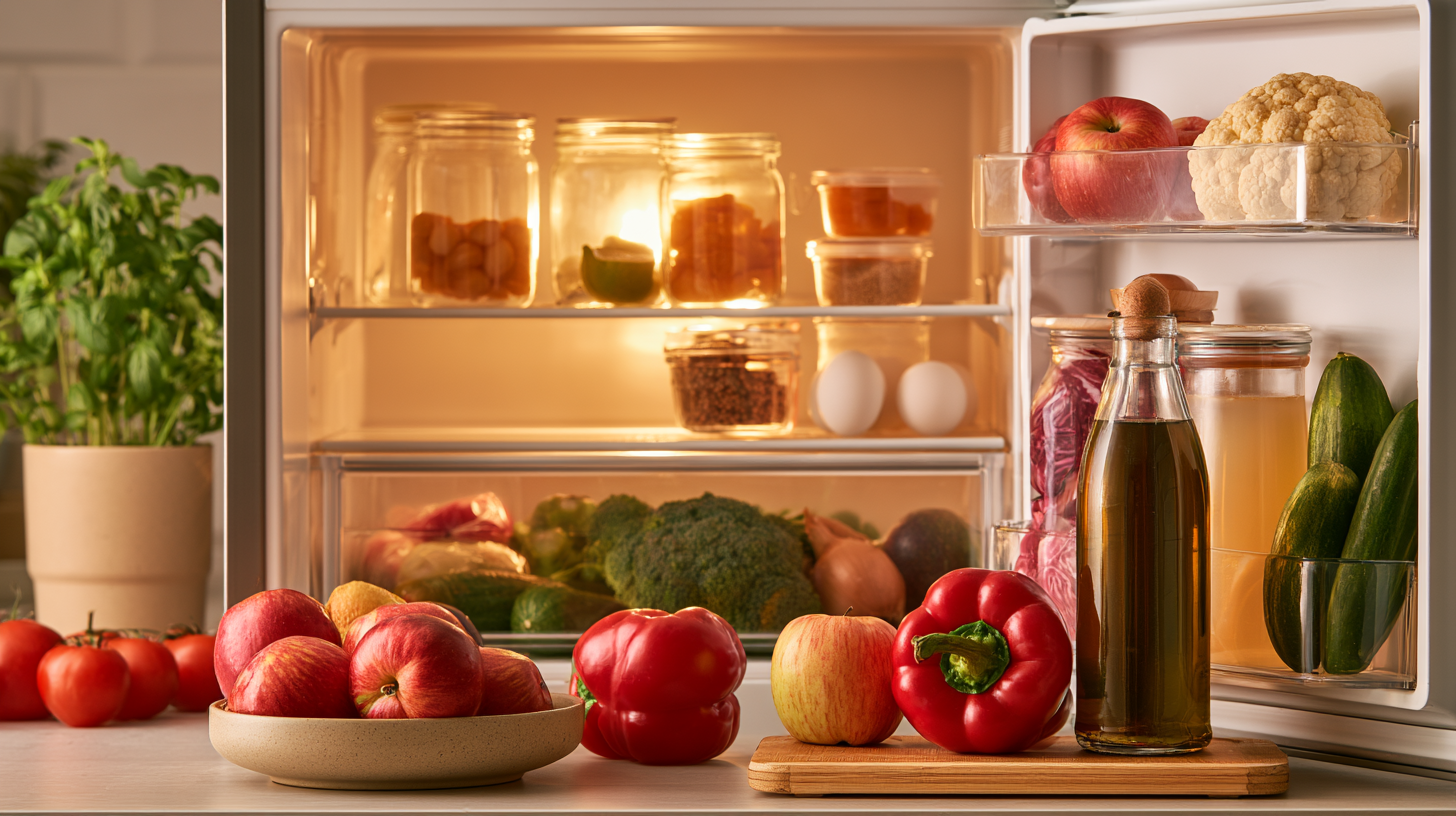
USDA Organic addresses pesticide residues, synthetic fertilizers, and GMOs. It says nothing about plastic packaging. Nothing about plastic mulch films used on certified organic farms. Nothing about microplastic contamination in the irrigation water those farms use.
You can buy certified organic produce wrapped in three layers of plastic film, grown in soil saturated with microplastics from decades of plastic mulch use, irrigated with contaminated water, and the organic certification will be entirely accurate.
The certification has a gap - and that gap is where plastic-free begins.
What Plastic-Free Actually Means
Plastic-free isn't a certification yet - it's a standard. And like organic before it was codified, the standard is being defined right now by the brands and consumers building around it.
At its core it means no plastic in the material itself. Not a safer version of plastic - not BPA-free, not PFAS-free, not any variation on the same substrate. The absence of plastic entirely.
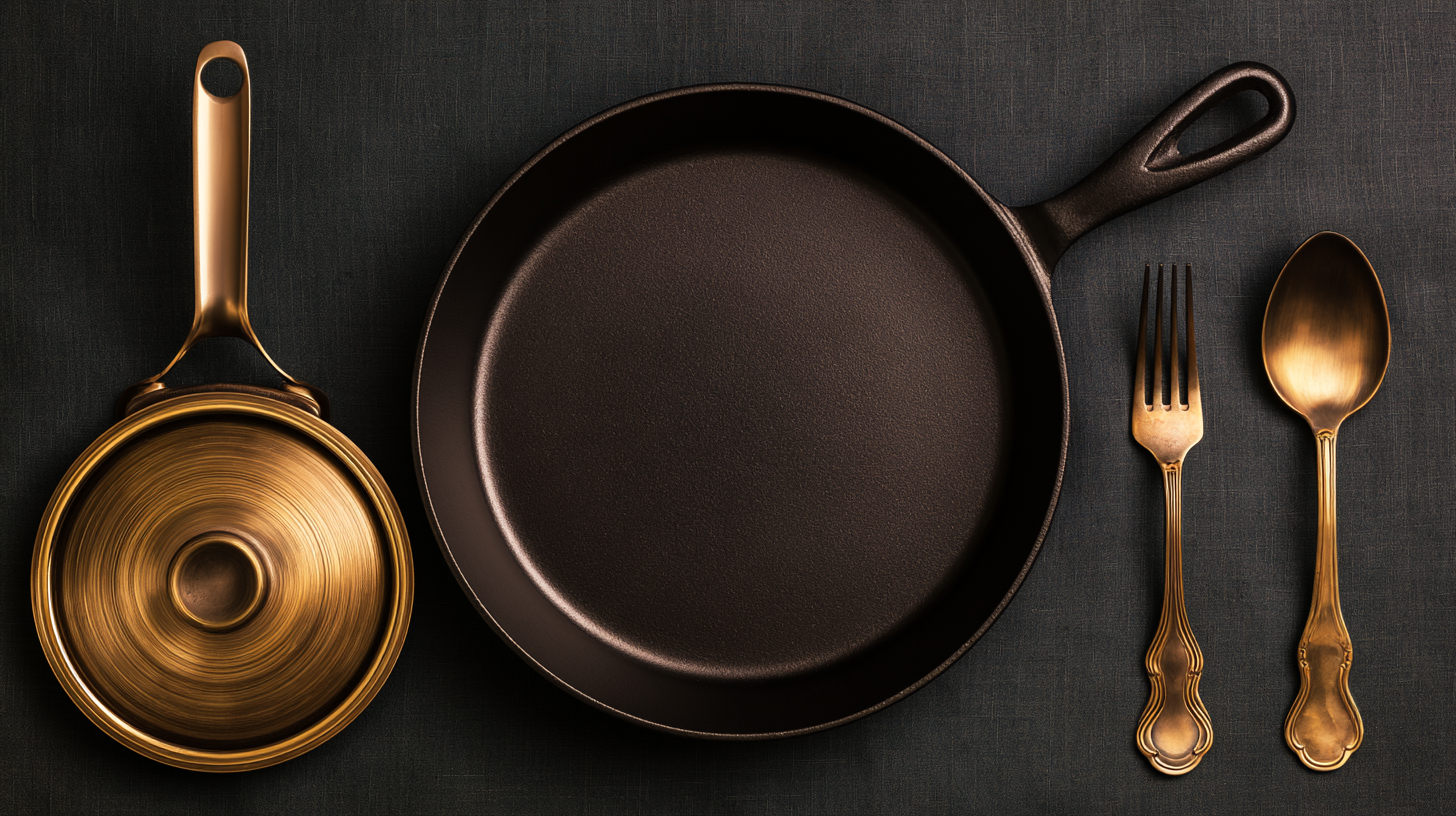
Glass instead of plastic bottles. Stainless steel instead of plastic containers. Organic cotton instead of polyester. Ceramic instead of non-stick coatings. Wood instead of plastic cutting boards. These aren't aesthetic choices - they're material choices with documented health implications.
The materials that meet this standard have something in common: they existed before the plastic industry replaced them with cheaper synthetic alternatives. Plastic-free isn't a new idea. It's a return to what worked before the experiment went wrong.
Why This Is Early
In 2000 organic food represented less than 1% of total food sales in the United States. Today it represents nearly 6% of total food sales and growing. The brands that built during that early period - when organic was still considered niche - are now category leaders.
The plastic-free market is at a comparable stage. Consumer awareness is building rapidly. The science is compelling and accelerating. Regulatory pressure is beginning in Europe and will follow elsewhere. Supply chains for truly plastic-free materials are developing.
The brands building now - before the mainstream arrives - are establishing the positioning, the audience relationships, and the supply chain relationships that will define the category when it reaches scale.
That window is open. It won't stay open indefinitely.
The Standard Is Shifting
What organic achieved was a shift in baseline expectations. It moved from "this is what health-conscious people choose" to "this is what responsible brands offer." That shift took decades but it happened completely.
Plastic-free is on the same trajectory with one difference - the contamination evidence is more direct, more personal, and accumulating faster than the organic evidence did at the same stage. Microplastics in your blood, your heart, your brain - this isn't abstract environmental concern. It's personal health data.
The standard will shift. The question is whether you're ahead of it or behind it.
Purarium is built for what's ahead.