The Microplastic-Free Kitchen: What to Swap First
Introduction:
The kitchen is where most people's microplastic exposure quietly concentrates. It's the room where plastic meets heat, oil, and sharp edges - the exact conditions that cause synthetic materials to break down and shed particles into your food. The good news is that fixing it doesn't require replacing everything at once. A handful of swaps, in the right order, remove the majority of the exposure.
Here's where to start, highest impact first.
Start With Nonstick Pans
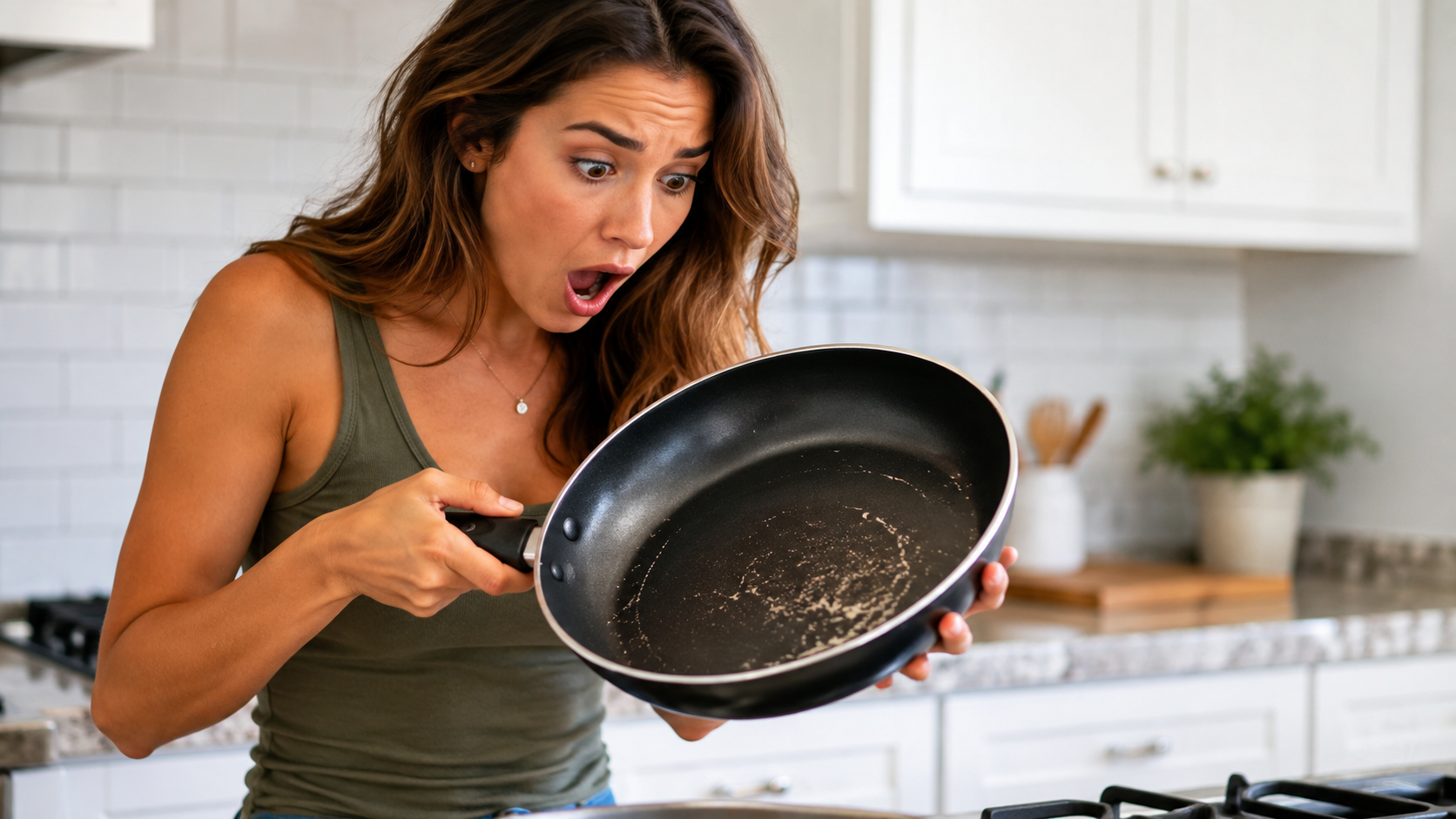
Nonstick cookware is the first thing to address. The coating that makes it convenient degrades with heat and use, and once it's scratched, it releases synthetic particles and PFAS compounds directly into your food. Because this happens at high temperatures, it's one of the most direct routes of exposure in the entire kitchen.
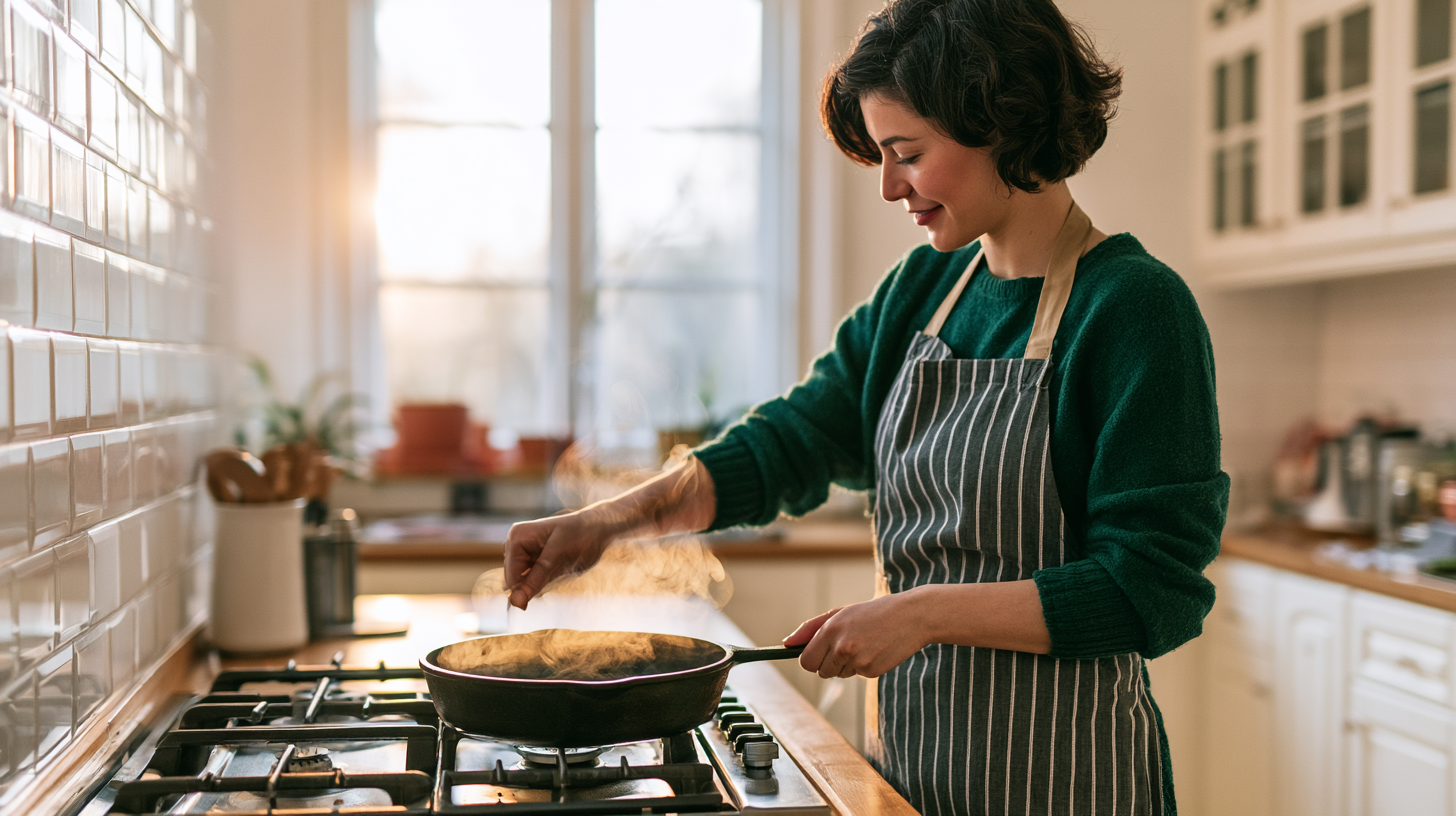
Switch to stainless steel or cast iron. Both tolerate high heat without breaking down, last for decades, and add nothing to what you're cooking. It's a one-time purchase that eliminates a daily source.
Then Your Cutting Board
Plastic cutting boards are one of the most overlooked sources of microplastics in the home. Every cut you make drags a knife across the surface, releasing tiny plastic particles directly onto the food you're about to eat. Studies have found that a single plastic board can shed a significant quantity of microplastics over its lifetime.
Switch to wood. Wooden boards don't shed plastic, are naturally antibacterial, and last for years with basic care.
Then Plastic Utensils
Black plastic spatulas, spoons, and turners are a double problem. They shed microplastics into hot pans and food as they soften against heat, and many are made from recycled electronic plastic, which can contain toxic flame retardants.
Replace them with wood or stainless steel. Both handle heat without degrading and won't leach anything into your cooking.
Then Storage Containers
Plastic food containers leach chemicals into whatever they hold, and that transfer accelerates with heat - hot food going in, or microwaving leftovers. Over time, that's a significant, repeated exposure.
Move to glass storage containers. They don't leach, they last, and it's a swap you'll benefit from at nearly every meal. Glass jars work equally well for pantry staples.
Then the Kettle and Water Vessels
Plastic kettles, pitchers, and water containers shed microplastics into hot and standing water. Since this is water you drink and cook with directly, it's worth addressing once the bigger sources are handled.
Switch to a stainless steel kettle and a glass or stainless steel pitcher.
Conclusion:
You don't have to overhaul your kitchen in a weekend. Start with what touches the most heat - your nonstick pans - because that's where the exposure is highest and most direct. Then work down the list: cutting board, utensils, storage, and water vessels.
The pattern you'll notice is simple: natural materials over plastic, everywhere heat and friction are involved. Cast iron, wood, stainless steel, and glass have done the job for generations, and they add nothing to your food. Make the first swap, and build from there.