The Microplastic-Free Pantry. What to Swap First.
Introduction:
Most people start their non-toxic journey in the bathroom or with their water bottle. The pantry gets overlooked - yet it's where plastic contact with your food happens most consistently, most invisibly, and most frequently.
Every meal starts here. The oil you cook with, the salt you season with, the water you boil, the containers you store everything in. The pantry is where daily microplastic exposure compounds quietly across every meal, every day.
Here's where to start and why.
1. Cooking Oil
Oil is one of the highest-risk pantry items for plastic leaching because of its chemistry. Fat-soluble liquids absorb plastic chemicals more efficiently than water-based ones - meaning plastic additives from the bottle migrate into the oil itself over time, accelerating with heat and duration of contact.
Most cooking oils are sold in plastic bottles and sit in them for weeks or months before use. Switch to oils stored in glass bottles only. Olive oil, avocado oil, and most premium cooking oils are widely available in glass. The swap is straightforward and the difference in exposure is significant.
Store oil away from heat and light once opened. Heat accelerates leaching even from glass-adjacent plastic caps - decant into a dedicated glass bottle with a non-plastic pour spout if you use oil frequently.
2. Salt
Sea salt is one of the most overlooked microplastic exposure points in a conventional kitchen. Microplastics have been found in sea salt samples from every region of the world tested - Atlantic, Pacific, Mediterranean, and beyond. The ocean is saturated and harvesting salt from it means harvesting what's in it.
The swap is simple and permanent: Himalayan pink salt or other rock salts harvested from ancient geological deposits. These deposits formed hundreds of millions of years before plastic existed. Zero microplastic contamination by definition.
The flavor profile is similar. The price difference is negligible. There is no reason to continue using sea salt once you understand what it contains.
3. Canned Goods
The interior lining of most cans is made from epoxy resin containing BPA - a known endocrine disruptor applied directly to the food it's supposed to protect. Acidic foods like tomatoes are particularly vulnerable because acidity accelerates the leaching of BPA from the lining into the food.
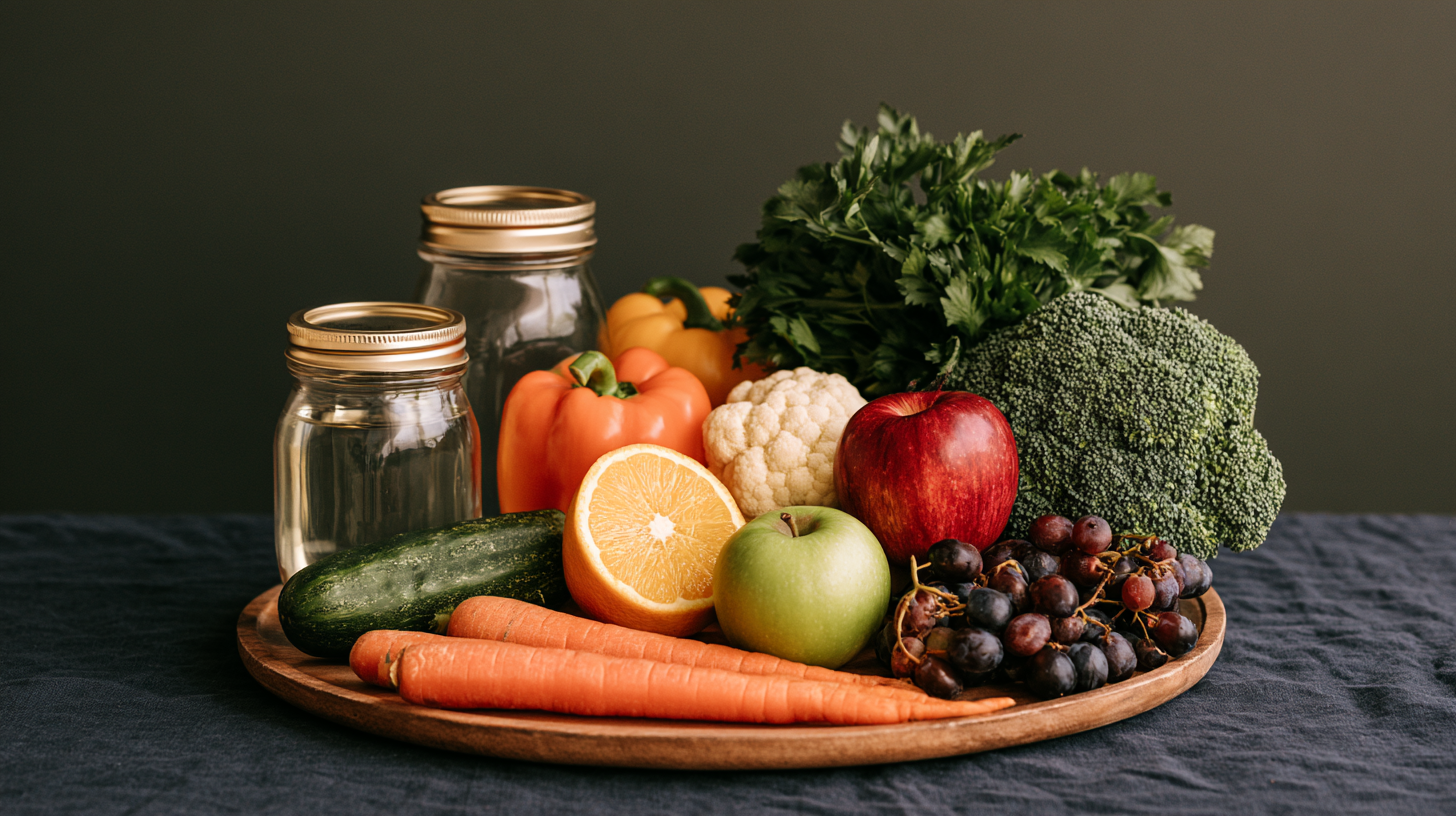
Switch to glass jarred alternatives wherever possible. Tomatoes, beans, chickpeas, lentils, coconut milk, and most pantry staples are available in glass. The transition requires finding new brands in some cases but the options exist across every major food category.
Where glass isn't available, prioritize fresh or dried alternatives over canned. Dried beans cooked from scratch carry no packaging contamination and cost a fraction of canned equivalents.
4. Dry Goods
Rice, pasta, flour, oats, nuts, seeds - the staples of most pantries typically arrive in plastic bags or plastic-lined cardboard and are stored in them long term. Plastic-lined packaging leaches into dry goods over time, particularly in warm storage environments.
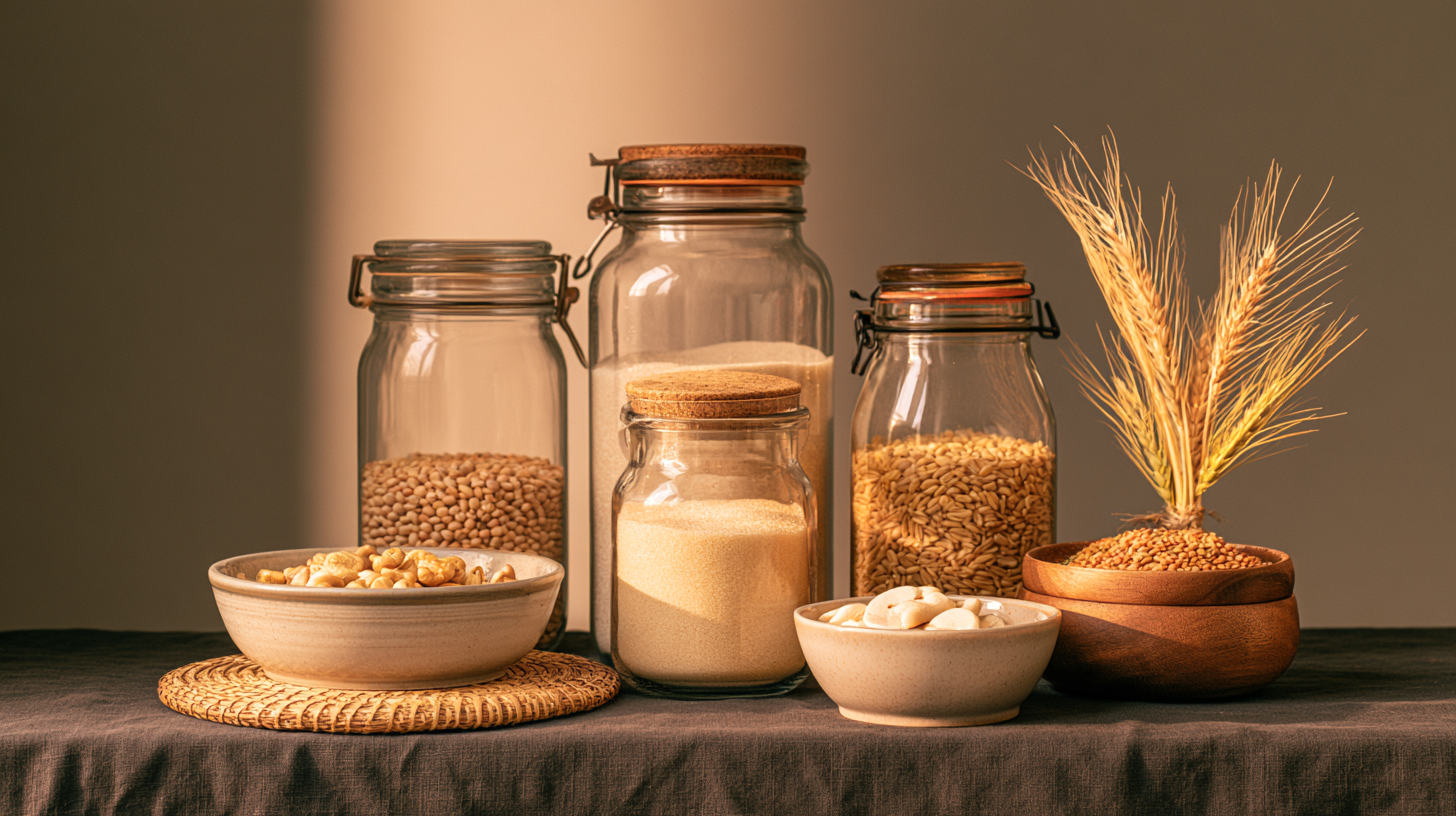
The fix is transferring everything into glass or stainless steel airtight containers immediately after purchase. A set of uniform glass jars with airtight lids eliminates ongoing plastic contact from dry goods entirely. It also happens to look considerably better than a collection of half-open plastic bags.
Buy in bulk where possible - larger quantities mean less frequent plastic contact from packaging and better value per unit.
5. Tea
Tea is one of the most counterintuitive microplastic exposure points in the kitchen. Most commercially sold tea bags are sealed with polypropylene - a plastic used to heat-seal the bag closed. When boiling water is poured over the bag, the polypropylene releases billions of microplastic particles directly into your cup.
A 2019 study found that a single plastic tea bag releases approximately 11.6 billion microplastic particles and 3.1 billion nanoplastic particles into a single cup of tea at brewing temperature.
The swap is loose leaf tea brewed in a stainless steel or glass infuser. The quality of loose leaf tea is generally higher than bagged tea, the cost per cup is often lower at scale, and the microplastic exposure drops to zero. This is one of the highest return swaps available in the pantry.
6. Condiments
Ketchup, mustard, hot sauce, soy sauce, vinegar, salad dressing - condiments are a category most people never consider for plastic exposure. Yet most sit in plastic bottles for months, often stored near heat sources like stoves and refrigerator doors where temperature fluctuation accelerates leaching.
Acidic condiments like vinegar, hot sauce, and tomato-based products are particularly high risk - acidity draws plastic chemicals out of containers more aggressively than neutral liquids.
Switch to glass bottled versions of everything you use regularly. Most quality condiment brands sell in glass. For items not available in glass, consider making your own - vinaigrettes, hot sauces, and many condiments are straightforward to make in small batches and store in your own glass jars.
7. Water
The pantry starts with water - and so does every meaningful reduction in microplastic exposure through food.
Everything you cook with begins with water. Pasta, rice, grains, soups, sauces - the water you boil with carries whatever is in it into every meal it touches. Tap water contains microplastics in every country tested. Filtering at the point of use and storing in glass eliminates this exposure point across every meal simultaneously.
A reverse osmosis filter removes up to 99% of microplastic particles. Paired with glass storage, it is the single highest-impact change available in the kitchen - affecting not just what you drink but everything you cook.
The Order That Makes Sense
If you're starting from scratch, the sequence that delivers the most immediate impact:
Water first - it affects everything. Salt second - immediate, permanent, effortless swap. Tea third - billions of particles per cup eliminated with one purchase. Oil fourth - fat-soluble leaching stopped at the source. Dry goods fifth - transfer to glass, done. Canned goods sixth - replace with glass jarred alternatives over time. Condiments seventh - swap as bottles run out.
None of these require overhauling your pantry at once. Work through them as existing products run out and replace with better alternatives. By the time you reach the end of the list your pantry will be fundamentally different - and your daily microplastic exposure through food will be a fraction of what it was.
That's the Purarium standard. Not perfection. Deliberate, compounding reduction starting with what matters most.