Is Organic Food Actually Lower in Microplastics?
Introduction:
Organic food is one of the most common first steps people take when trying to reduce their toxic exposure. The reasoning is intuitive - no synthetic pesticides, no chemical fertilizers, cleaner farming practices. But when it comes to microplastics specifically, the picture is more complicated than the label suggests.
The short answer is yes and no. And understanding why matters more than the certification itself.
What Organic Actually Addresses
Organic certification is real and meaningful for what it covers. USDA Organic prohibits synthetic pesticides, synthetic fertilizers, GMOs, and certain processing additives. The pesticide reduction alone is significant - conventional produce carries pesticide residues that organic does not, and the long term health implications of chronic low-level pesticide exposure are well documented.
For chemical contamination of the conventional kind, organic is genuinely better. That part of the marketing is accurate.
But microplastics are a different category of contamination entirely - and organic certification was never designed to address them.
Where Microplastics in Food Actually Come From
Microplastics in food don't primarily originate from farming practices. They come from four main sources that affect organic and conventional farming equally.
Contaminated irrigation water is the most significant. Tap water and surface water used for irrigation carry microplastic particles that deposit directly onto crops and into soil with every watering cycle. Organic certification has no requirement around water source or filtration.
Plastic mulch films used in agriculture - thin plastic sheeting laid over soil to control weeds and retain moisture - are one of the most significant sources of agricultural microplastic contamination. They degrade in place, fragmenting into microparticles that saturate the soil. Many organic farms use these films. Certification doesn't prohibit them.
Atmospheric deposition is another route. Microplastic particles circulate in the atmosphere globally and settle on crops, soil, and water sources regardless of farming method. There is no farming practice that prevents this.
Finally, packaging applied after harvest introduces plastic contact at the point where most consumers encounter food. Organic produce wrapped in plastic film is exposed to the same leaching risk as conventional produce in the same packaging.
The Soil Problem
Agricultural soil is among the most microplastic-contaminated environments on earth - and the contamination is not limited to conventional farming.
Sewage sludge, widely used as fertilizer in both conventional and some organic farming contexts, is one of the most concentrated sources of microplastics in agriculture. It accumulates everything that passes through the wastewater system - synthetic fibers from laundry, microbeads, plastic fragments - and deposits it directly into farmland.
Studies have found microplastic concentrations in agricultural soil that rival those found in marine environments. This contamination affects the crops grown in that soil regardless of how they were farmed.
Where Organic Does Help
The case for organic isn't undermined by the microplastics picture - it's just more specific than the marketing implies.
Pesticide reduction is real and significant. The absence of synthetic chemical inputs matters for soil health, ecosystem health, and the health of farm workers and consumers. These are not trivial benefits.
Some organic farms actively avoid plastic mulch films, instead using cover crops, compost, and mechanical weed control. Where this is the case, one significant source of soil microplastic contamination is eliminated. But this varies farm by farm and isn't guaranteed by certification alone.
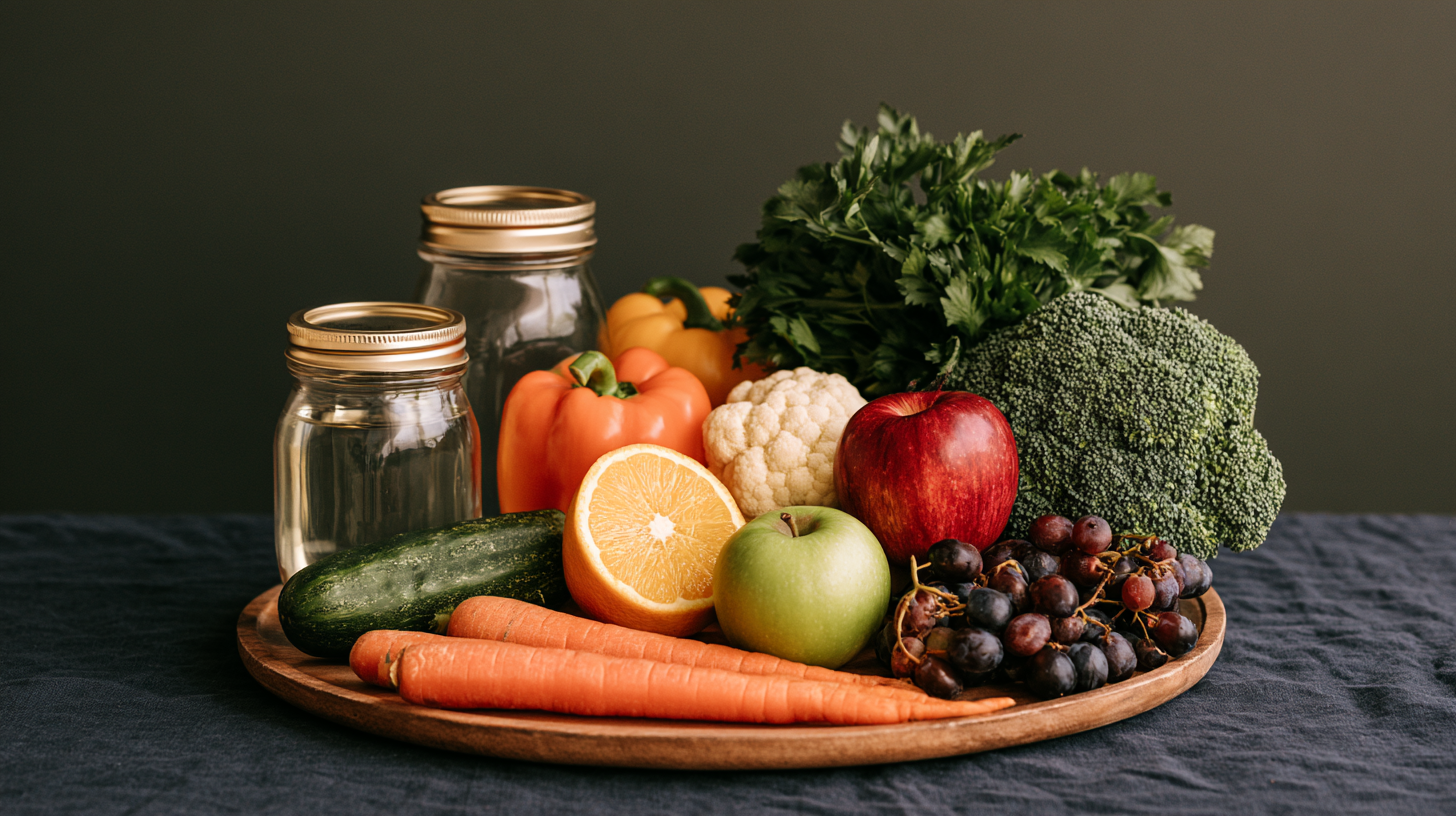
Choosing organic produce that is sold loose rather than pre-packaged eliminates post-harvest plastic contact entirely - a benefit that has nothing to do with the organic label but often correlates with how organic produce is sold at farmers markets and smaller retailers.
The Packaging Problem
If microplastic reduction is the goal, packaging deserves more attention than certification.
Organic spinach in a plastic bag is exposed to plastic leaching from the moment of packaging to the moment of consumption - potentially days or weeks. Conventional spinach bought loose from a farmers market and carried home in a cotton bag has had no plastic contact.
The organic label tells you nothing about packaging. A certified organic product can be wrapped in multiple layers of plastic and carry significant microplastic contamination from that packaging alone. A conventional product sold loose in glass or without packaging carries none.
This is the gap in how organic food is typically marketed and understood. The farming method and the packaging are separate decisions with separate implications for microplastic exposure.
What Actually Reduces Exposure
A practical framework for reducing microplastic exposure through food choices, in order of impact:
Buy loose produce over pre-packaged wherever possible. The absence of plastic contact is more significant than the farming certification.
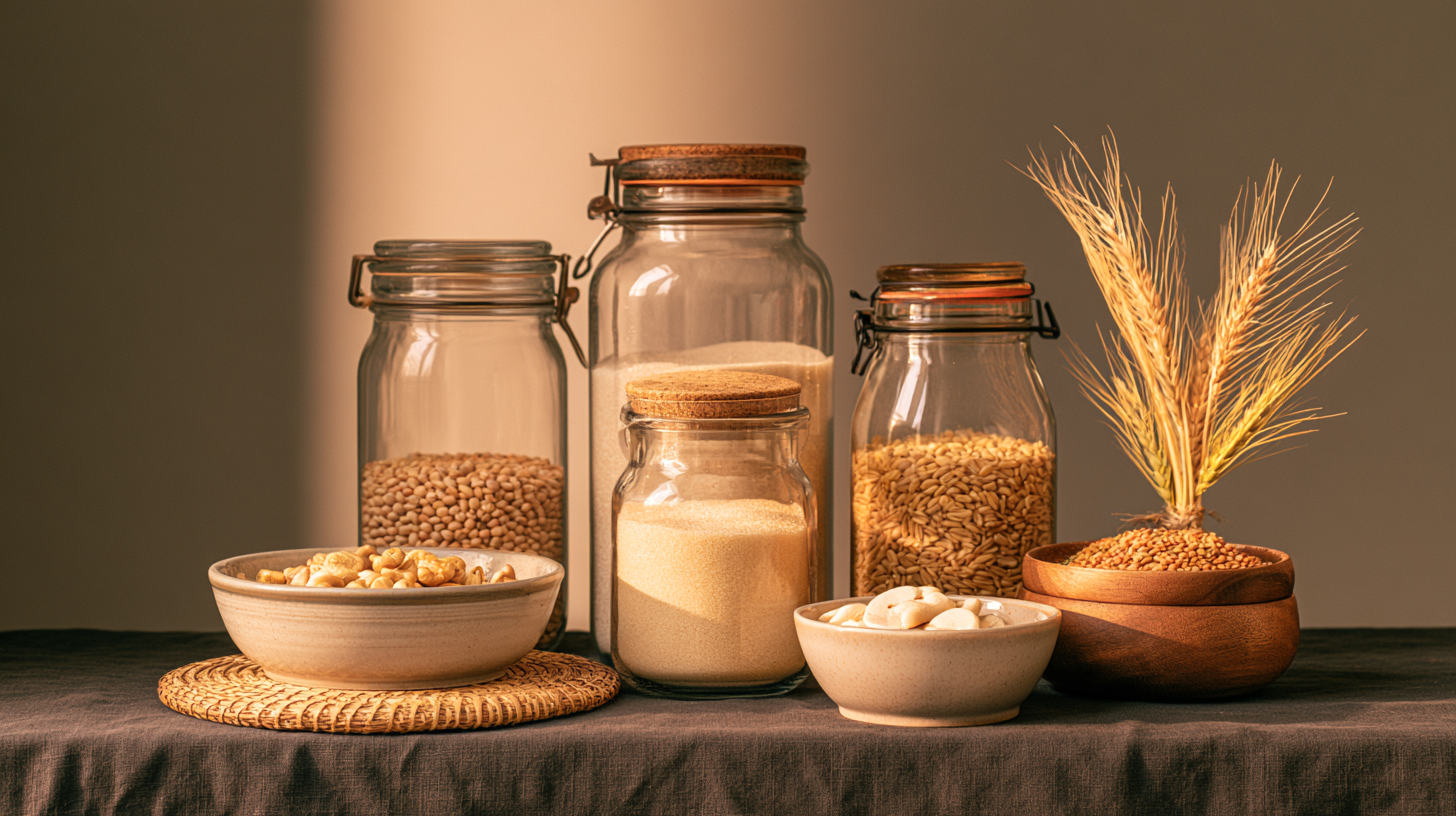
Prioritize glass over plastic containers for anything jarred, canned, or bottled. Switch from canned goods to glass jarred alternatives for tomatoes, beans, legumes, and other staples.
Switch from sea salt to Himalayan or rock salt. Sea salt carries microplastic contamination from the ocean in every sample tested globally. Ancient geological salts do not.
Filter water used for cooking and drinking. Tap water carries microplastics into everything it touches - the food you boil, the water you drink, the ice you use.
Buy organic where it matters most - the dirty dozen list of highest-pesticide produce - but don't rely on the organic label as a proxy for microplastic safety. The two problems require different solutions.
The Bigger Picture
Organic food is worth choosing. The pesticide reduction alone justifies it for the highest-risk produce categories. But approaching it as a solution to microplastic exposure specifically sets an expectation the certification can't meet.
The most effective approach to reducing microplastic exposure through food combines thoughtful sourcing with deliberate packaging choices - loose over wrapped, glass over plastic, filtered over tap. These decisions compound across every meal, every day.
That's the Purarium standard - not a single certification, but a systematic approach to reducing what enters your body through every channel available.