The Safest Way to Store Food at Home
Introduction:
Most people think about what they eat. Far fewer think about what their food sits in between the store and their plate. The container, the wrap, the bag - these aren't neutral. They're in active chemical contact with your food from the moment it's packaged to the moment you eat it.
The good news is food storage is one of the simplest and most impactful areas to clean up. One material change covers almost every scenario in your kitchen.
The Problem With Plastic
Plastic food storage containers - even BPA-free ones - leach chemicals into everything they touch. The rate of leaching is not constant. It accelerates dramatically under three conditions: heat, acidity, and fat content.
Hot food placed directly into a plastic container immediately begins transferring plastic chemical compounds into the food. Acidic foods - tomatoes, citrus, vinegar-based dishes - draw plastic compounds out of containers at accelerated rates compared to neutral foods. Fatty foods - oils, meats, dairy - are particularly efficient at absorbing plastic additives because many plastic compounds are lipophilic, meaning they dissolve readily into fat.
Most leftovers tick at least one of these boxes. Many tick all three.
BPA-free labeling doesn't solve the problem - it removes one documented chemical and replaces it with BPS and BPF, compounds with similar biological profiles that have been studied less extensively. The container is still plastic. It still leaches.
The Microwave Problem
Microwaving food in plastic containers is the highest-risk food storage scenario in most kitchens. It combines sustained heat, prolonged contact time, and in some cases direct microwave energy interacting with the container itself.
Even containers labeled "microwave safe" are not free from leaching. That designation means the container won't melt or deform at microwave temperatures - not that it won't transfer chemicals into your food. The two things are completely separate and the labeling conflates them deliberately.
The fix is simple: transfer food to a ceramic or glass dish before microwaving. Every time. It takes ten seconds and eliminates the highest leaching scenario in your kitchen entirely.
Glass Is the Answer
Glass is chemically inert. It does not react with food regardless of temperature, acidity, fat content, or storage duration. Nothing transfers from glass into what it contains. It was the standard food storage material before plastic became cheap enough to replace it - and the reasons it was replaced had nothing to do with safety.
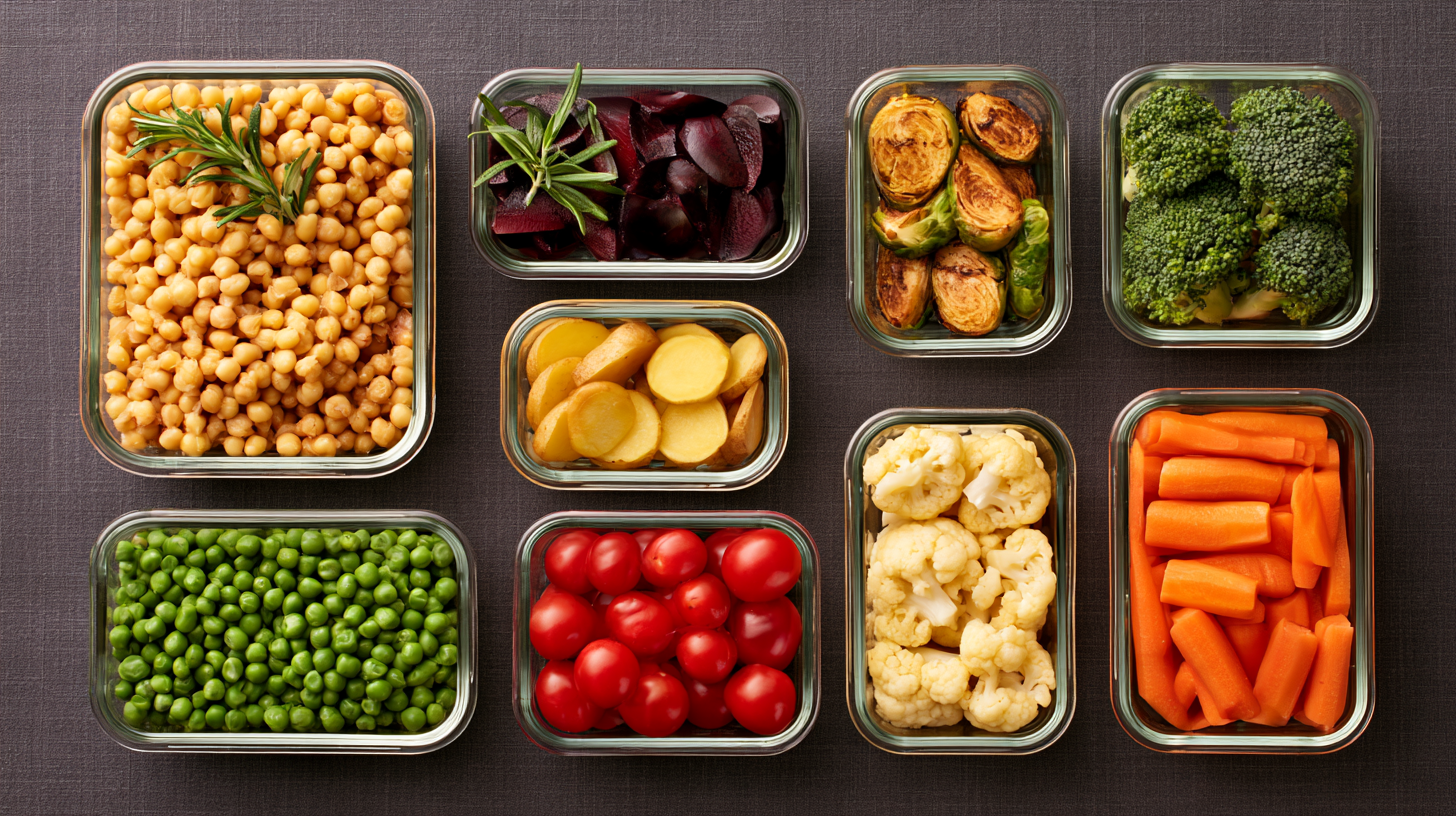
Glass containers with airtight lids handle every food storage scenario in a typical kitchen. Leftovers, meal prep, bulk storage, liquids, dry goods - glass covers all of it without the leaching risk that comes with any plastic alternative.
Pyrex and Weck jars are the most accessible options at every price point. Mason jars handle bulk dry goods and anything jarred. A basic set of glass containers with airtight lids - available from most kitchen retailers - replaces every plastic container in your kitchen in one purchase.
The Fridge
A common misconception is that cold temperatures reduce plastic leaching. They slow bacterial growth - not chemical transfer. Everything sitting in plastic contact in your fridge is being exposed continuously, at every temperature, for the entire duration it's stored.
Remove food from plastic packaging as soon as you get home. Produce that arrives wrapped in plastic film should be unwrapped immediately and transferred to glass or a breathable natural alternative. Leftovers go directly into glass. Nothing sits in plastic in the fridge overnight if you can avoid it.
The fridge door is where most condiment bottles live - and most condiment bottles are plastic containing acidic products. Ketchup, hot sauce, salad dressing, vinegar - these are among the most reactive food-plastic contact points in a typical home. Switch to glass-bottled versions of everything you use regularly.
Wrap and Bags
Plastic wrap is direct, full-surface contact between plastic and food - often for days at a time across entire bowls, dishes, and cut produce. When the food underneath is warm, oily, or acidic the leaching rate increases further.
Beeswax wrap is the direct replacement. It clings naturally to bowls and dishes, wraps produce and cut food effectively, is reusable for months with basic care, and introduces nothing synthetic into contact with your food. For anything requiring a proper seal, a glass container with a lid is always the cleaner option.
Zip-lock bags for food storage carry the same leaching profile as plastic containers - particularly for anything oily or acidic stored for more than a few hours. Silicone bags are a meaningful step up for situations where a flexible sealed bag is genuinely needed. Glass jars cover most of the same use cases without the flexibility trade-off.
The Order That Makes Sense
If you're replacing everything at once, start with what contacts your food most directly and most frequently.
Containers first - these are in contact with your food for the longest cumulative time. Replace plastic food storage containers with glass before anything else in the kitchen.
Microwave habit second - this costs nothing and takes ten seconds. Stop microwaving in plastic immediately regardless of what containers you currently own.
Wrap third - one set of beeswax wrap handles everything plastic wrap was doing. Single purchase, done.
Fridge door fourth - replace condiments in plastic with glass-bottled equivalents as bottles run out. No need to discard what you have.
Bags fifth - replace zip-lock bags with glass jars or silicone alternatives over time.
By the time you've worked through this list your food never touches plastic from the moment it's stored to the moment it's eaten. That's a significant reduction in daily exposure that compounds across every meal, every day.