How To Detox Your Bedroom in a Weekend
Introduction:
You spend roughly a third of your life in your bedroom. It's where your body does its deepest repair - and yet for most people, it's the most overlooked room when it comes to non-toxic living.
The bedroom is a quiet source of daily exposure. Synthetic bedding sheds microfibers you breathe in for eight hours a night. Conventional mattresses off-gas flame-retardant chemicals for years. Synthetic rugs and sleepwear release plastic particles into the air and against your skin while you rest.
The good news: you can address nearly all of it in a single weekend. The key is working in order of impact - starting with what touches your skin and lungs most directly.
Step 1: Your Bedding
Start with your sheets. Polyester, microfiber, and synthetic blends shed plastic fibers every time you move, and you're pressed against them for a third of your day. These fibers become part of the dust you breathe all night.
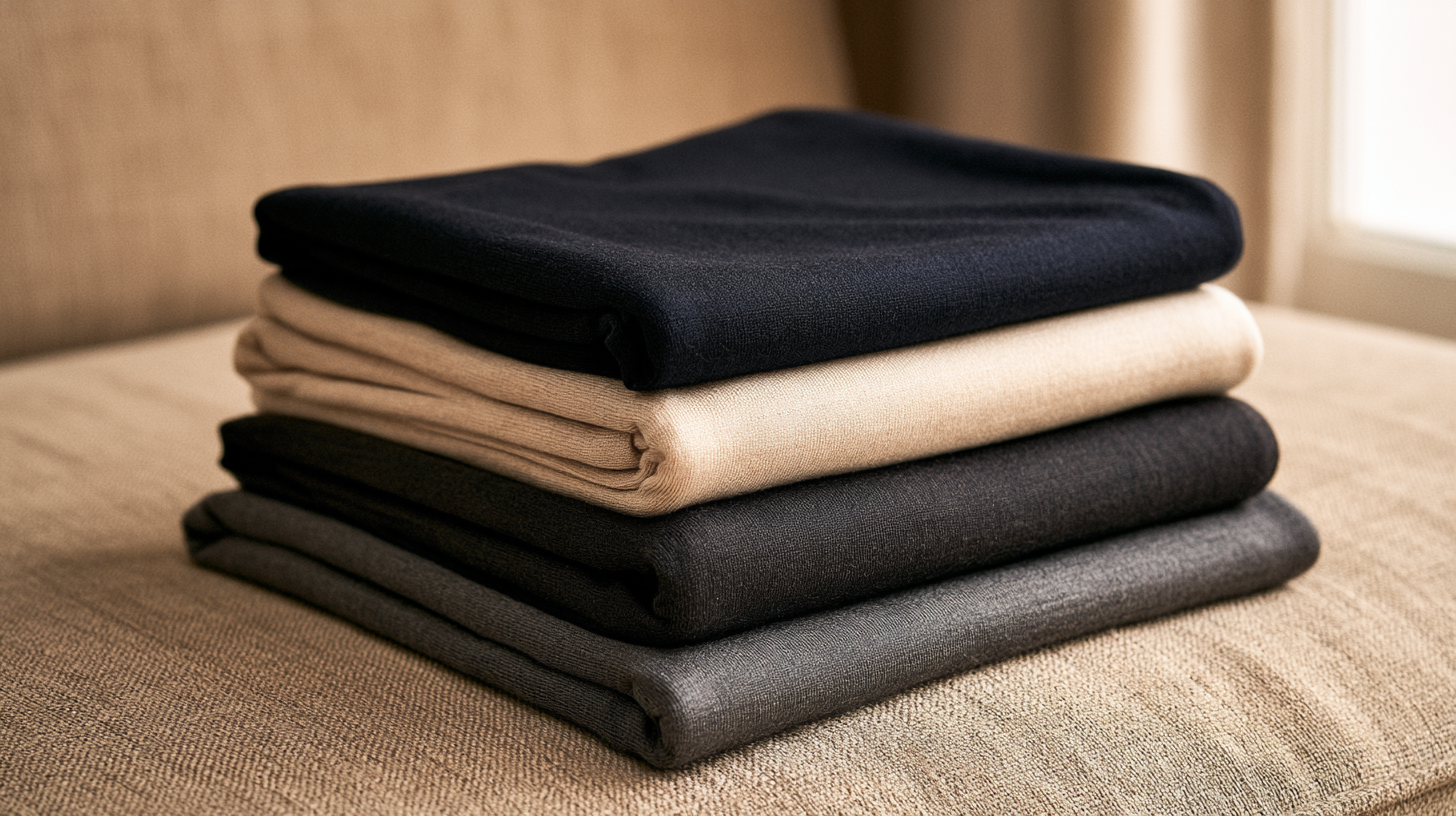
Switch to organic cotton or linen. Both are natural, breathable, and free of the synthetic coatings and dyes common in conventional bedding. This is the single highest-impact swap in the room.
Step 2: Your Mattress
Most conventional mattresses are built from polyurethane foam and treated with flame-retardant chemicals that off-gas slowly over years. You breathe those emissions directly, all night, at close range.
A natural latex, organic cotton, or wool mattress removes the source entirely. If replacing the mattress isn't immediate, a certified organic mattress topper and barrier cover reduce contact in the meantime.
Step 3: The Air
Bedroom air holds a concentration of dust, synthetic fibers, and off-gassed particles - especially in a closed room overnight. You inhale it for hours at your most vulnerable.
Open your windows daily to move stale air out, even briefly. Add a quality air purifier near where you sleep to capture fine particles the room accumulates.
Step 4: The Floor
Synthetic rugs and wall-to-wall carpet shed plastic fibers continuously, and those fibers settle into the air you breathe lying down. Carpet also traps dust and off-gasses from its backing and adhesives.
Swap synthetic rugs for wool, cotton, or jute. Natural fibers don't shed microplastics and are far easier to keep clean.
Step 5: What You Sleep In
Sleepwear sits against your skin for the entire night. Synthetic pajamas made from polyester or nylon shed microfibers directly onto your body while you sleep.
Choose organic cotton or linen sleepwear. As with bedding, prioritize the materials that maintain the closest, longest contact with your skin.
Conclusion:
Detoxing your bedroom isn't about replacing everything at once. It's about addressing the room you spend the most time in, in the order that matters most.
Start with what touches your skin and lungs - your bedding, your mattress, the air, the floor, and what you sleep in. Work through them across a weekend, and you eliminate one of the largest overlooked sources of daily exposure in your home.
The room where your body recovers should be the cleanest one you own.