The Microplastic-Free Grocery Haul. What to Actually Look For.
Introduction:
Most microplastic exposure through food is decided before you ever get home. It happens at the grocery store - in the choices between loose and wrapped, glass and can, plastic and paper. The cart you fill determines the plastic you'll ingest for the week.
The good news is that shopping for a lower-exposure kitchen doesn't require specialty stores or a bigger budget. It requires knowing what to reach for and what to leave on the shelf. Here's the complete haul, aisle by aisle.
Produce: Buy Loose
Start in the produce section, because this is where the easiest wins are.
Pre-wrapped produce sits in plastic film for days between packing and purchase - and the longer plastic contacts food, the more it transfers, especially for produce with high moisture content or thin skin. Loose produce from an open bin or a farmers market has had zero packaging contact.
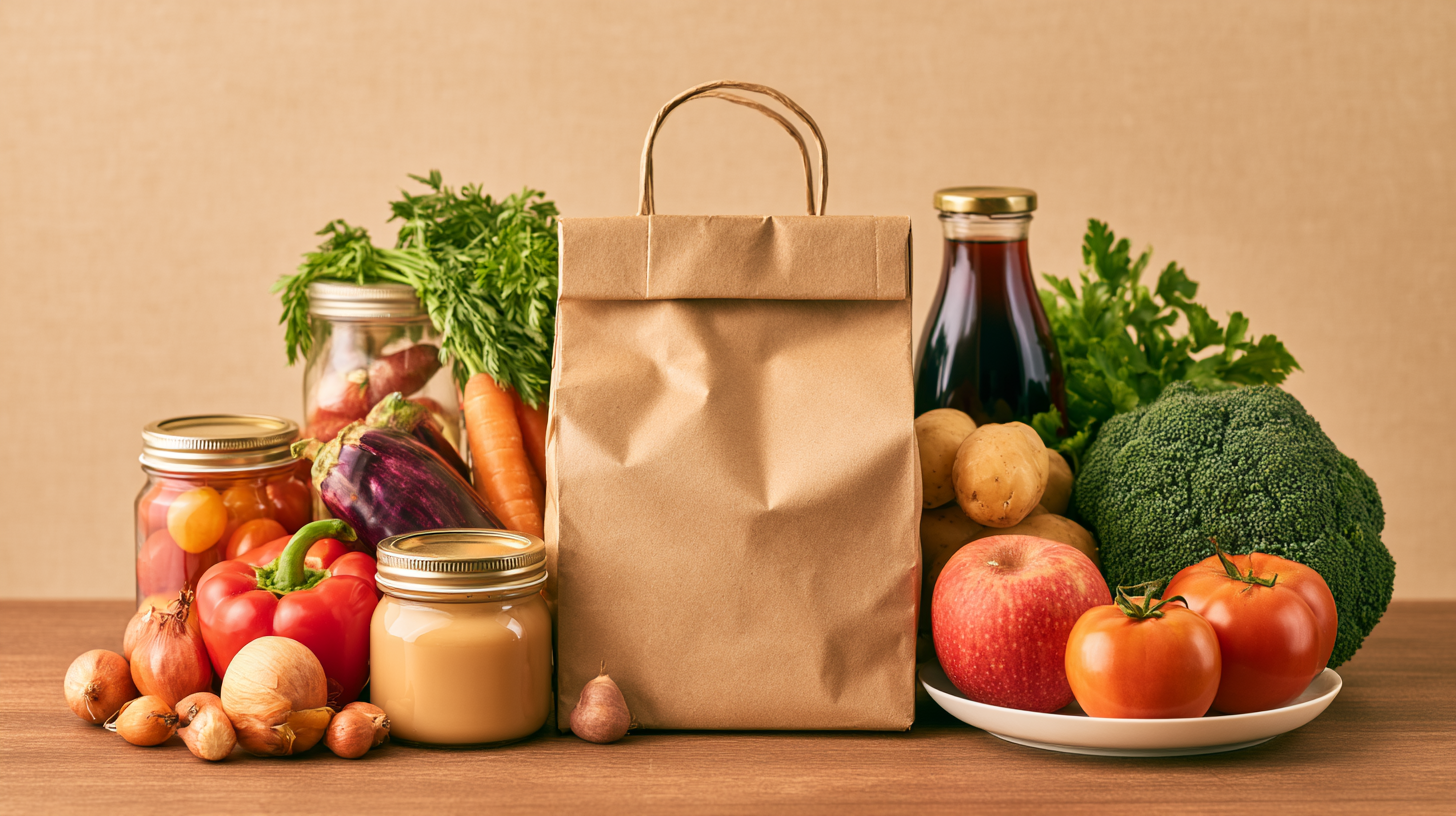
Skip the plastic clamshells of berries and greens where you can. Choose loose apples, loose peppers, loose greens. Bring your own cotton mesh produce bags rather than tearing off the plastic ones on the roll. When something is only available wrapped, unwrap it the moment you get home and transfer it to glass or a breathable container rather than storing it in the film it came in.
Canned Goods: Choose Glass
The lining inside most cans is an epoxy resin containing bisphenol compounds - BPA, or in "BPA-free" cans, the chemically similar BPS and BPF. Acidic foods like tomatoes and beans accelerate the leaching of these compounds directly into the food, and the longer a product sits in the can, the greater the transfer.
Choose glass-jarred alternatives wherever they exist. Tomatoes, beans, chickpeas, and legumes are all widely available in glass from brands like Jovial and Muir Glen. Tetrapak cartons are a meaningful step up from cans for tomatoes and broths. And for staples like beans, buying dried and cooking from scratch eliminates packaging contamination entirely at a fraction of the cost.
Salt: Skip the Sea Salt
Sea salt has been found to contain microplastics in every major study conducted across global brands and regions - a 2018 study found them in 90% of commercial salt brands worldwide. This is a function of ocean contamination, not packaging, so no sea salt brand escapes it entirely.
Switch to Himalayan pink salt or Redmond Real Salt - both mined from ancient inland deposits formed long before plastic existed, and both consistently show the lowest contamination levels. Store it in glass rather than the plastic shaker it may come in.
Oil: Dark Glass Only
Cooking oils are particularly efficient at extracting plastic compounds, because many plastic additives are lipophilic - they dissolve readily into fat. Oil stored in a plastic bottle is measurably contaminated by the time it reaches your kitchen, and the problem compounds the longer it sits.
Buy cooking oils in dark glass bottles only - the dark glass also protects against oxidation, so it's better for the oil regardless. Buy in sizes you'll use within a couple of months rather than stockpiling in plastic, and transfer any bulk oil to glass as soon as you get it home.
Tea: Watch the Bags
Tea is one of the most counterintuitive exposure points in the grocery store. Most commercial tea bags are sealed with polypropylene plastic that holds the bag together - and when submerged in boiling water, a single bag can release billions of microplastic particles into the cup. Pyramid-style "silken" bags are often fully plastic.
Choose loose leaf tea and brew it with a stainless steel infuser - this eliminates the problem entirely. If you prefer bags, a handful of brands use genuinely plastic-free paper bags, but confirm it rather than assuming, since "natural" packaging claims don't guarantee a plastic-free seal.
Dry Goods: Think Ahead
Pasta, rice, flour, and grains sold in plastic bags accumulate microplastics through the packaging itself, especially when stored for months or repeatedly opened and left partially full.
Buy from bulk bins where possible to reduce packaging time, and transfer everything to glass jars with airtight lids as soon as you get home. The goal is to minimize the amount of time your dry goods spend sitting against plastic - which for most pantry staples is otherwise measured in months.
Condiments: Glass Over Plastic
Ketchup, hot sauce, salad dressing, and other condiments are usually acidic, usually oily, and usually sold in plastic squeeze bottles where they sit for months - a combination that draws plastic compounds out efficiently.
Choose glass-bottled versions of the condiments you use regularly. Several quality brands package in glass, and for anything only available in plastic, transferring it to a glass bottle at home reduces the ongoing contact time significantly.
Beverages: Read the Container
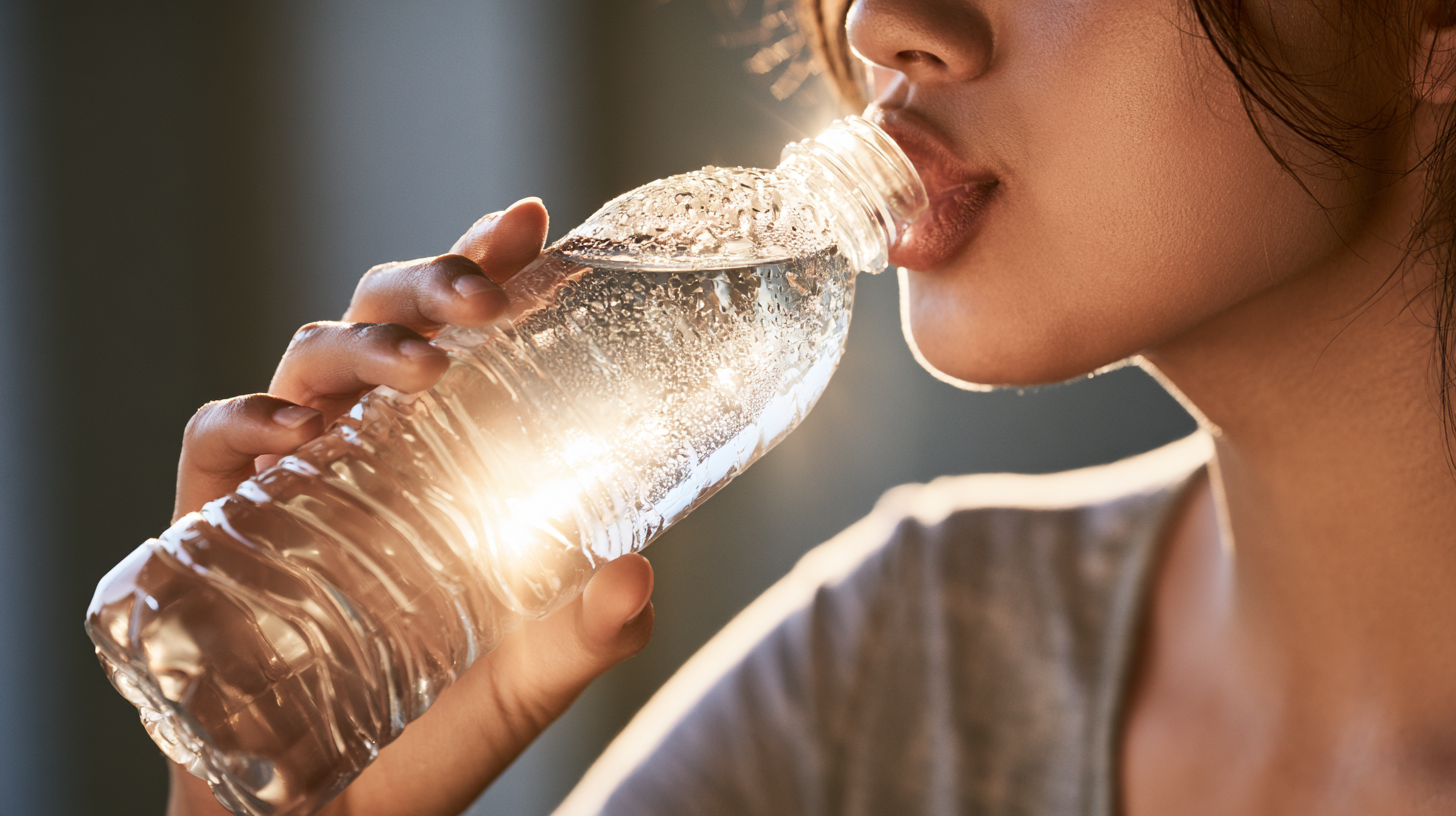
Water, juice, and other drinks sold in plastic bottles absorb compounds from their containers over time - and plastic water bottles specifically degrade with UV exposure, heat, and repeated handling.
Choose glass-bottled beverages where available, and cardboard cartons over plastic bottles as an intermediate. For water, a reverse osmosis filter at home paired with glass or stainless steel storage is dramatically cheaper and cleaner than buying bottled water, which studies have shown contains far more microplastics than filtered tap.
The Cart, Summarized
Loose over wrapped. Glass over cans. Rock salt over sea salt. Dark glass oil over plastic. Loose leaf over tea bags. Bulk dry goods transferred to glass. Condiments in glass. Cartons over plastic bottles.
None of this requires a specialty store or a larger budget - just knowing which version of each item to reach for. The choices compound across every item in the cart, every week, into a meaningful reduction in what your body has to process.
That's the Purarium standard. Not perfection - just the better choice, made consistently, starting at the shelf.