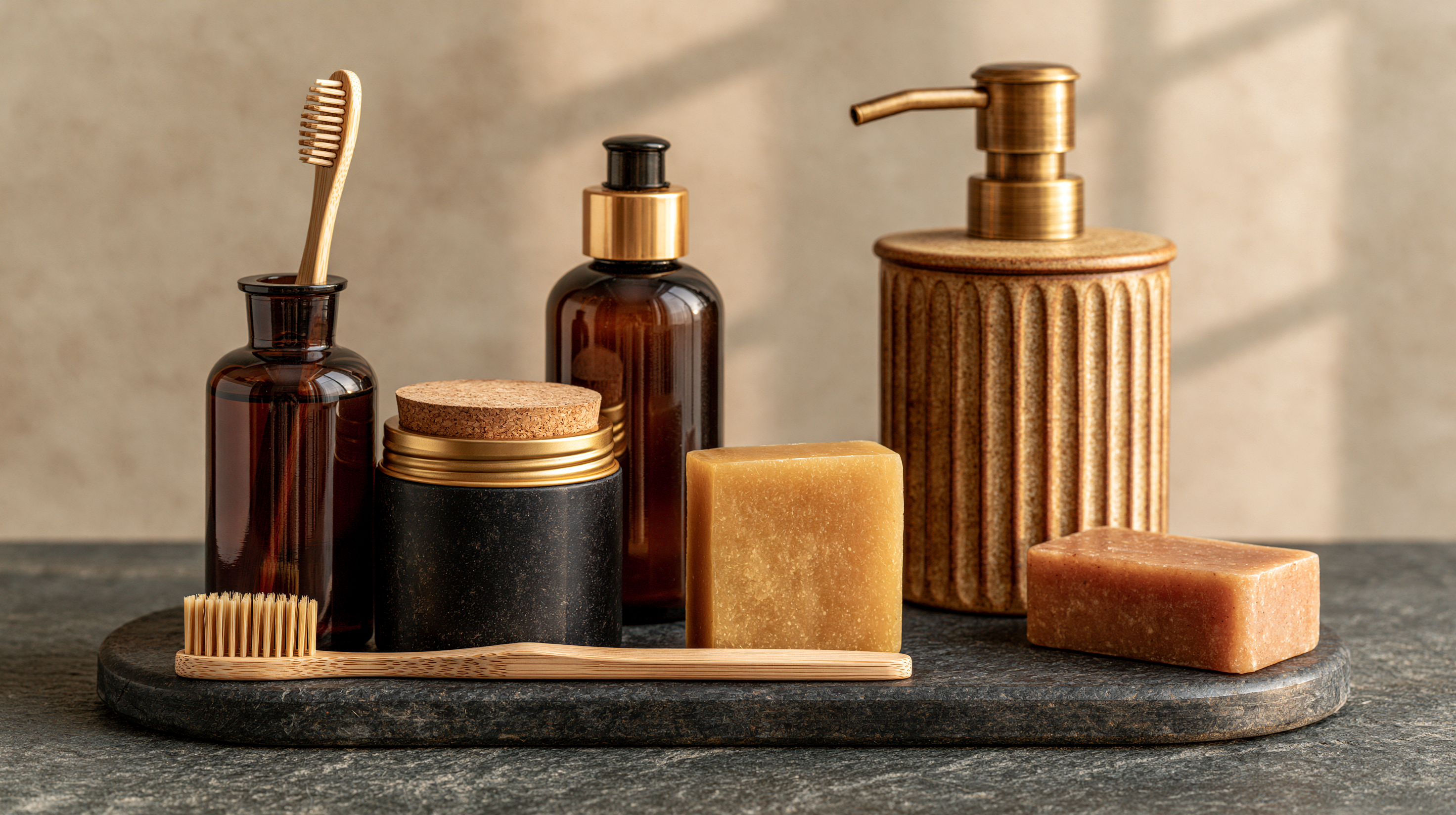
How to Detox Your Bathroom in a Weekend
Introduction:
Most people think about plastic and toxic exposure in terms of food and water. The bathroom rarely comes up - yet it's where some of the most direct and concentrated chemical contact happens every single day.
Skincare, haircare, oral care, body wash - these products are applied directly to your skin, your scalp, and inside your mouth. Your skin is your largest organ and it absorbs what it's exposed to. The chemicals in conventional personal care products don't stay on the surface. They enter your bloodstream.
The good news is the bathroom is one of the most straightforward rooms to detox. Here's the order that makes the most sense.
Step 1: Skincare
Start here because skincare has the highest skin contact concentration of anything in your bathroom routine. Moisturizers, serums, eye creams, and SPF are applied to your face - some of the most absorptive skin on your body - and often left on for hours or all day.
The first step is reading every label. Avoid anything containing ingredients ending in -ylene, -acrylate, or -siloxane - these are plastic-derived synthetic polymers used as thickeners and film-formers in conventional skincare. Also avoid "fragrance" or "parfum" - a legal loophole that can represent hundreds of undisclosed synthetic chemicals including known endocrine disruptors.
The word "natural" on the front of the packaging means nothing. It has no legal definition and no regulated standard. Look instead for third party certifications - USDA Organic, COSMOS Organic, or EWG Verified. These require independent testing against defined safety standards.
Where possible, choose products in glass packaging. Plastic packaging leaches into the products it contains - especially liquid formulations stored for months at a time.
Step 2: Haircare
Shampoo and conditioner are applied to your scalp - highly vascular skin that absorbs efficiently - and rinsed down your body, covering significant surface area in the process.
Most conventional shampoos contain synthetic polymers, silicones, and plastic-derived ingredients designed to coat the hair shaft and create the appearance of smoothness. They work cosmetically while depositing synthetic residue on your scalp daily.
Switch to clean ingredient formulations - ideally in glass or aluminum packaging. Bar shampoos are worth considering as they eliminate plastic packaging entirely and are increasingly available in genuinely clean formulations. Read the ingredient list the same way you would for skincare - the same red flags apply.
Step 3: Oral Care
A plastic toothbrush goes in your mouth twice a day for two minutes at a time. Over the course of a year that's significant contact time with a synthetic material applied directly to your gums and mucous membranes.
Switch to bamboo. Bamboo toothbrushes are naturally antimicrobial, biodegradable, and functionally identical to plastic in terms of cleaning effectiveness. They're widely available and increasingly affordable.
Most conventional toothpastes contain synthetic additives, artificial flavors, and in some cases microbeads - plastic particles used as abrasives that were banned in rinse-off cosmetics in several countries but still appear in some formulations. Switch to a clean ingredient alternative in glass or aluminum packaging. The ingredient list tells you everything.
Step 4: Shower
Conventional shower gels and body washes are some of the most synthetic products in a typical bathroom. They often contain synthetic polymers, artificial fragrances, and preservatives that are applied across your entire body and absorbed through skin that's been opened up by warm water and steam.
Switch to bar formulations with clean ingredients and zero plastic packaging. A good natural soap bar contains a short, readable ingredient list - oils, butters, and botanical extracts. Nothing you can't identify.
If your shower has a plastic curtain, that's worth addressing too. Plastic shower curtains - particularly PVC - off-gas volatile organic compounds into a small enclosed space every time the shower runs. Switch to a fabric curtain or a glass screen.
A shower filter is also worth considering. Tap water contains microplastics and chlorine that you're absorbing through your skin and inhaling as steam for the duration of every shower. A quality shower filter significantly reduces this exposure point.
Step 5: Deodorant
Deodorant is applied daily to one of your most absorptive areas - thin skin close to lymph nodes - and often left on all day. Most conventional deodorants contain aluminum compounds, synthetic fragrances, and plastic-derived ingredients that accumulate with daily use.
Switch to a clean ingredient alternative. Natural deodorants have improved significantly in recent years - the early generation that didn't work has been replaced by genuinely effective formulations using ingredients like magnesium, baking soda, and plant-based waxes. Look for options in glass, aluminum, or cardboard packaging.
Step 6: The Bathroom Itself
Finally, address the room. Replace plastic soap dispensers with glass or ceramic alternatives. Switch synthetic sponges and plastic-handled brushes for natural fiber options. If you store products on plastic shelving or in plastic organizers, replace with glass, ceramic, or wood.
Small details compound. Every plastic surface your products rest on, every plastic container they're stored in, contributes to the overall chemical environment of the space where you spend time every morning and evening.
The Bigger Picture
You don't need to replace everything at once. Work through the steps in order - skincare first, then haircare, then oral care, then shower, then deodorant, then the room itself. Replace items as they run out rather than throwing everything away at once.
By the time you reach the end of this list you will have eliminated the majority of synthetic chemical contact points in your daily routine. That's not a small thing - it's the difference between a body that's constantly managing a low-level chemical burden and one that isn't.
That's the Purarium standard.