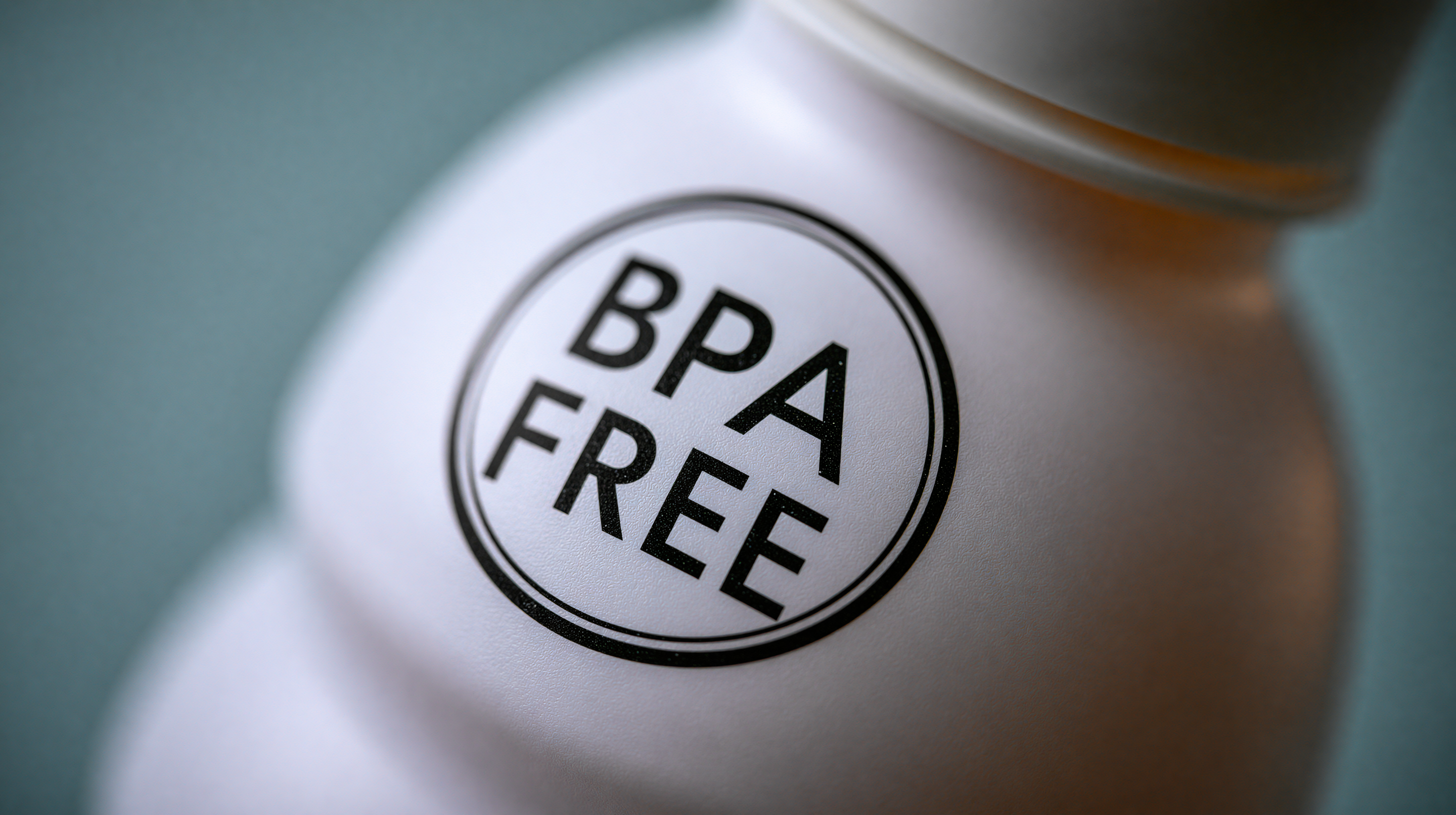
BPA-Free Doesn't Mean Plastic-Free. Here's What They're Not Telling You.
Title: BPA-Free Doesn't Mean Safe. Here's What They're Not Telling You.
Introduction:
BPA-free is one of the most effective pieces of marketing the plastic industry has ever produced. It sounds like a solution. It implies safety. It suggests that a brand listened, responded, and improved. In most cases it means none of those things.
Here's what actually happened - and what you need to know before you trust that label again.
What BPA Is and Why It Was Removed
Bisphenol A - BPA - is a chemical used to harden plastic and line food packaging. By the mid-2000s the research linking it to hormone disruption, developmental issues, and increased cancer risk had accumulated to a point that could no longer be ignored. Public pressure mounted. Regulatory bodies in several countries moved to restrict it. Brands responded.
Labels changed. BPA-free became a selling point. Products were reformulated and remarketed. Prices went up.
The problem didn't go away.
The Swap Nobody Told You About
When BPA was removed from plastic products it was replaced - primarily with BPS and BPF, chemical compounds with near-identical molecular structures. Early and emerging research suggests they interact with the endocrine system in the same way BPA does, disrupting hormonal signaling at extremely low doses.
The label changed. The chemistry didn't.
This isn't a conspiracy theory - it's a documented pattern in chemical regulation known as regrettable substitution. A harmful chemical comes under scrutiny. Industry replaces it with a structural analog. The analog eventually faces the same scrutiny. The cycle continues.
BPA Was One Chemical in a Product Containing Hundreds
Even setting aside BPS and BPF, the focus on BPA as the singular villain in plastic safety obscures a larger problem. A typical plastic product contains not one chemical but hundreds - plasticizers, stabilizers, flame retardants, UV filters, colorants, and processing aids. The vast majority of these have never been independently tested for long term human safety.
Removing BPA doesn't clean the rest. It removes one known problem from a product that still contains dozens of unknowns.
The Greenwashing Playbook
The BPA-free story is a case study in how consumer pressure gets absorbed and neutralized by industry without meaningful change. A harmful ingredient is identified. Brands remove it under pressure. They market the removal loudly as a safety improvement. They charge more for it. The product is still made of plastic. It still leaches. It still sheds microparticles into whatever it touches.
But now it has a green label.
This pattern repeats across the wellness and consumer goods industry with enough regularity to be considered standard practice. Understanding it is the first step to not being misled by it.
What Actually Plastic-Free Means
Truly plastic-free means no plastic in the material itself. Not a safer version of plastic - the absence of it entirely.
Glass. Stainless steel. Organic cotton. Ceramic. Wood. These are materials that don't leach, don't shed microparticles, and don't require you to trust a label that may mean nothing.
When evaluating any product, ignore the front of the packaging. Look at what it's made of. If the answer is plastic - regardless of what has been removed from that plastic - it is still plastic.
How to Shop Differently
The shift in thinking required is simple but significant. Stop looking for what was removed. Start looking at what something is made of.
A glass bottle needs no BPA-free label. Stainless steel cookware needs no non-toxic certification. Organic cotton needs no clean ingredient claim. The material itself is the answer.
That's the standard Purarium is built around. Not better plastic. Not cleaner chemistry. The absence of plastic entirely.